Black Walnut Economy

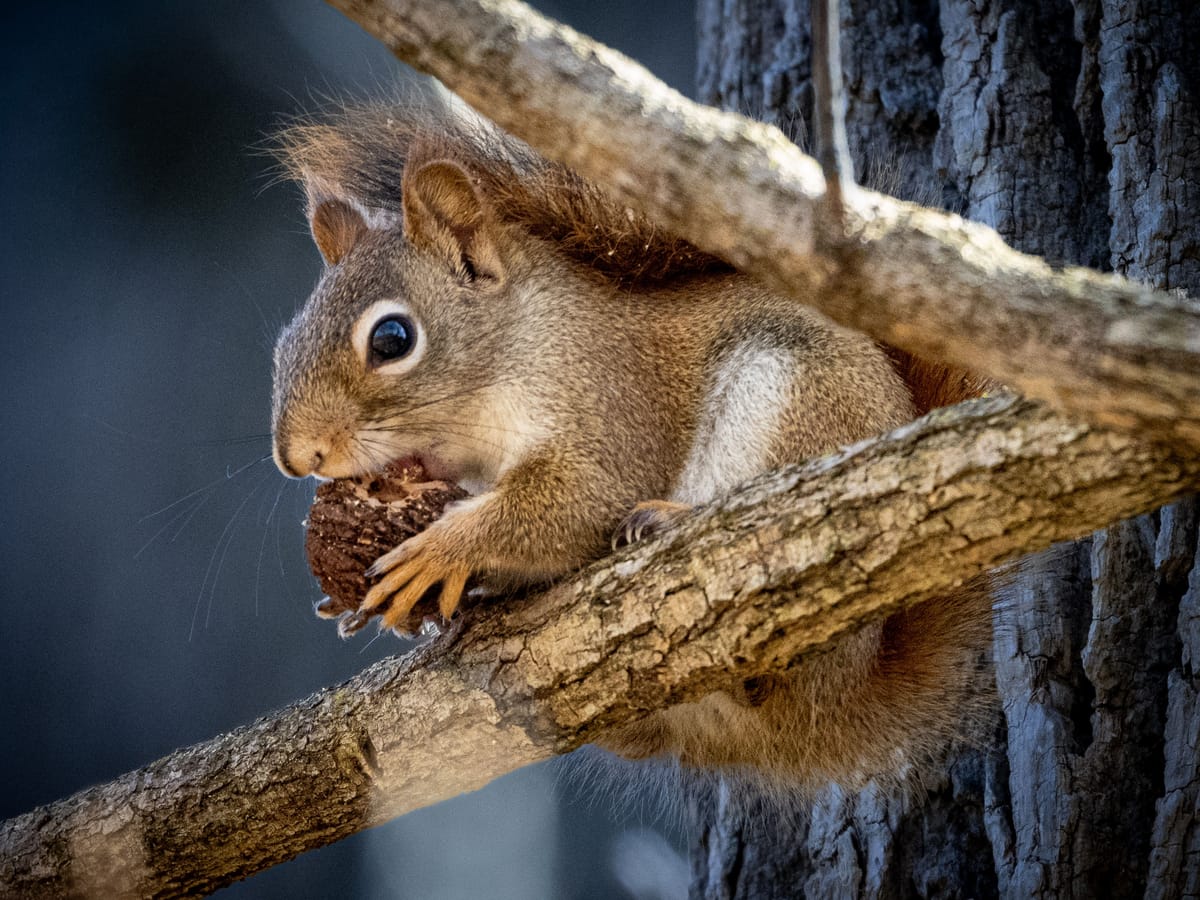
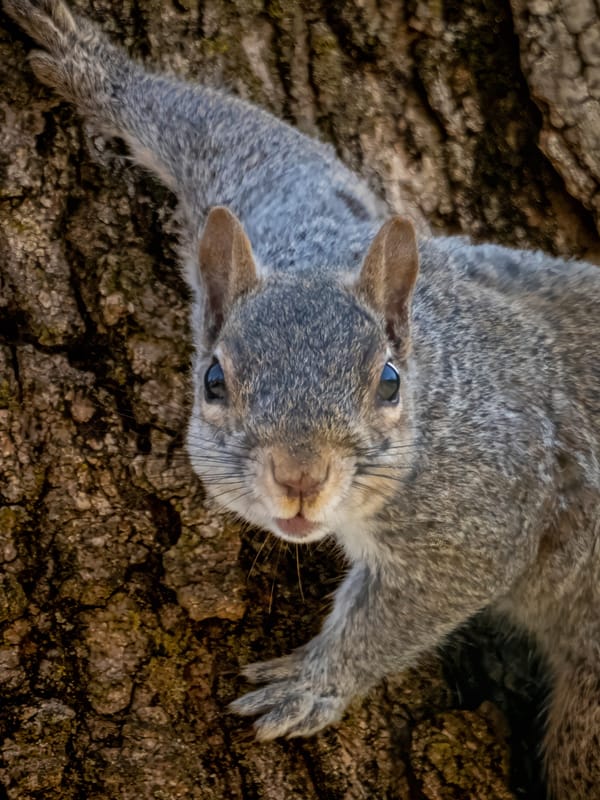
Deep in the winter after last season's mast year of Black walnuts the gray squirrels and red squirrels are spending the currency they banked before the cold set in.
Gray squirrels bury individual nuts or acorns but red squirrels are "larder hoarders": they make piles. You can see these larders in the forest if you look for them. Red squirrel larders are often conspicuous, frequently centered on a log or stump near where the sharp rattling or chattering alarm calls are heard as the red squirrel defends its stash.
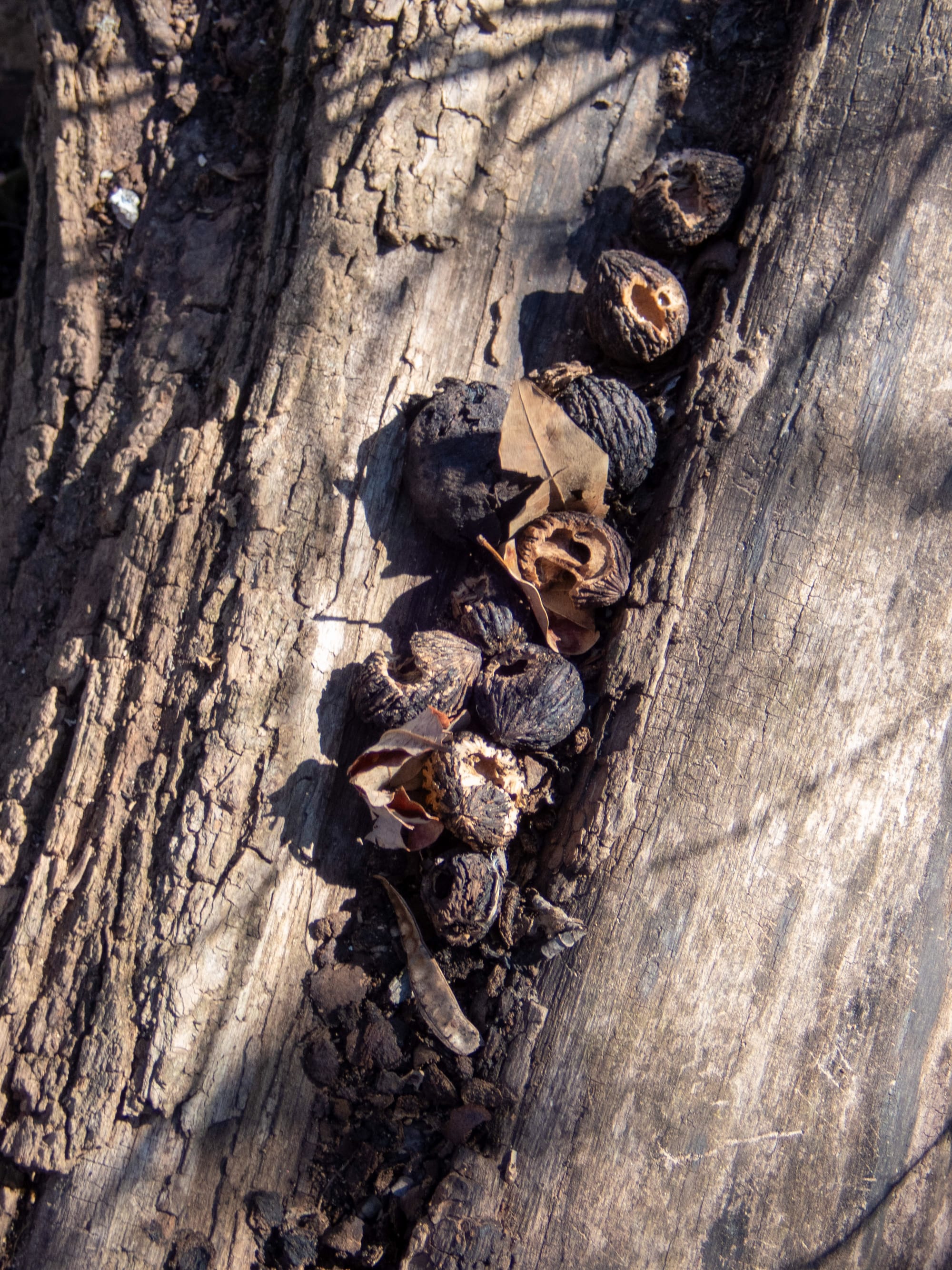
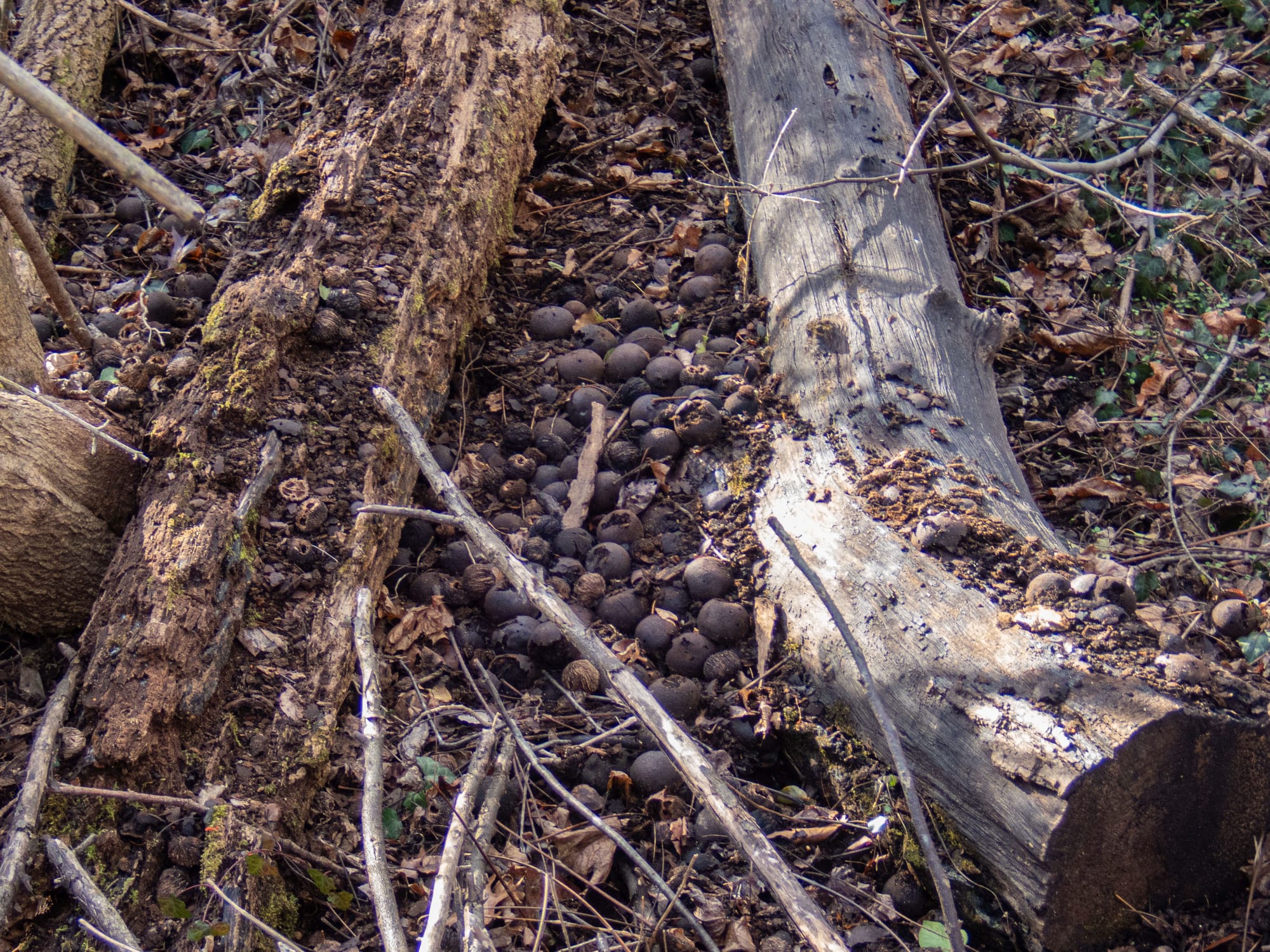
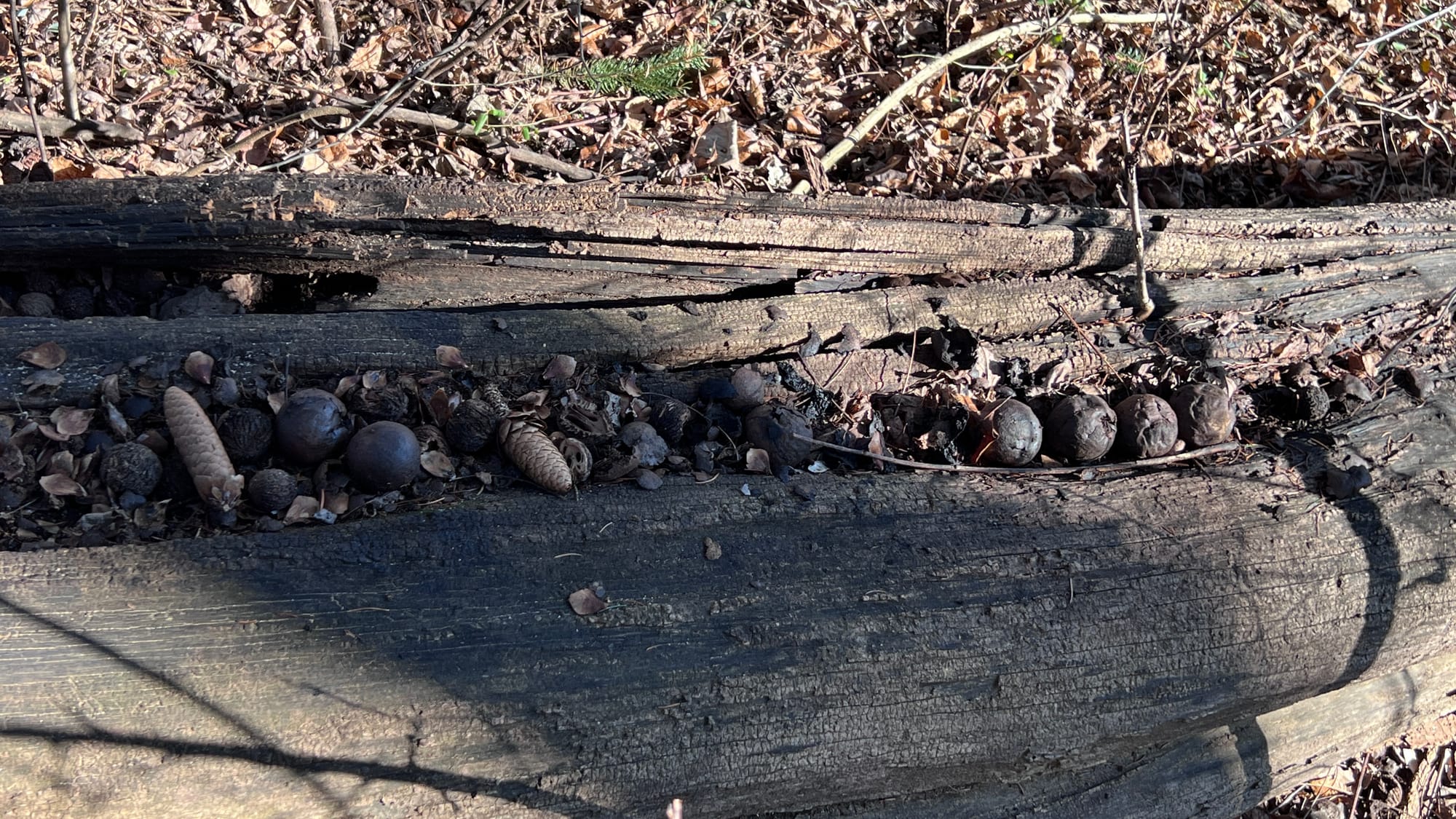
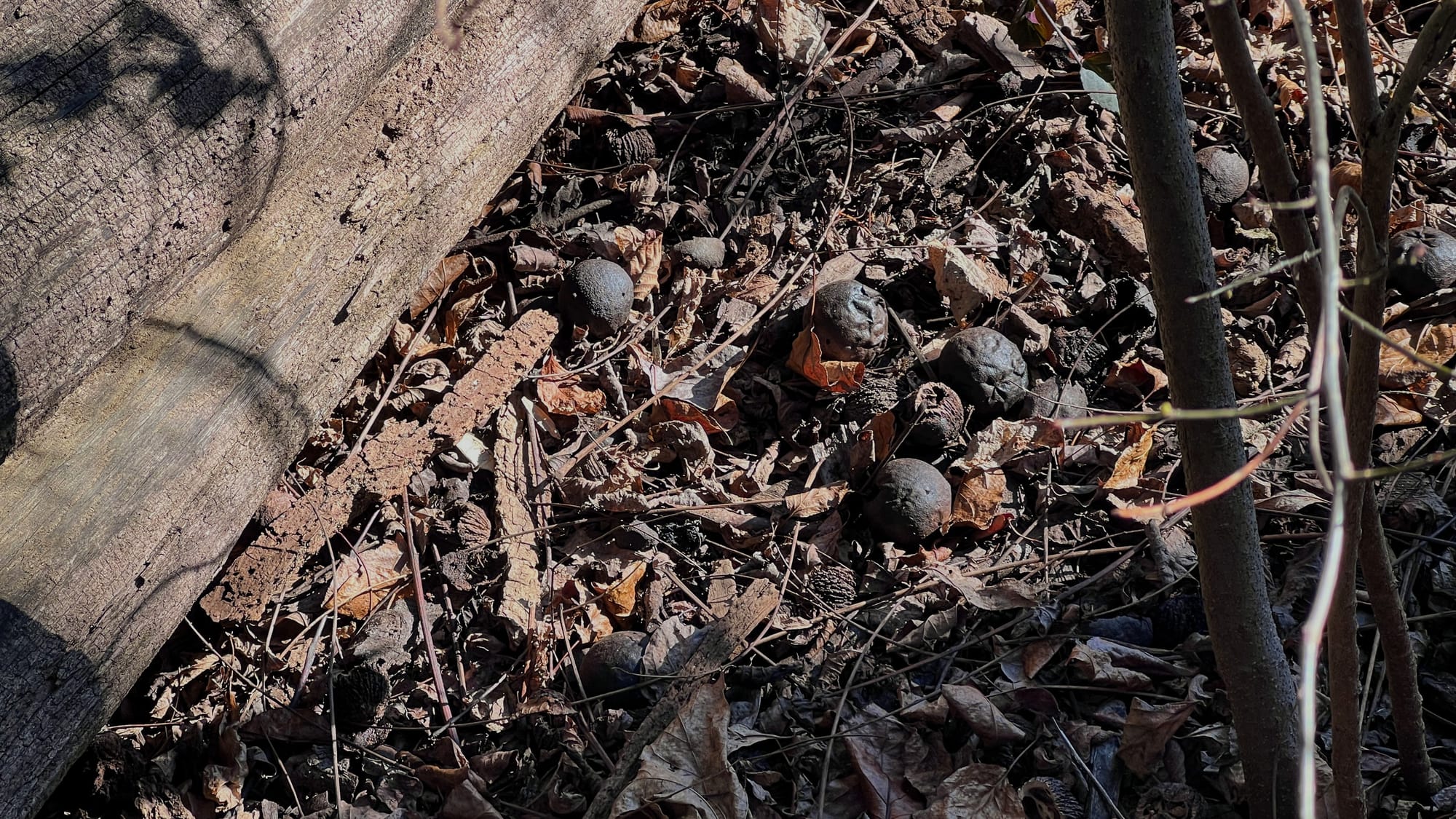
Red squirrel larders are widespread within the park.
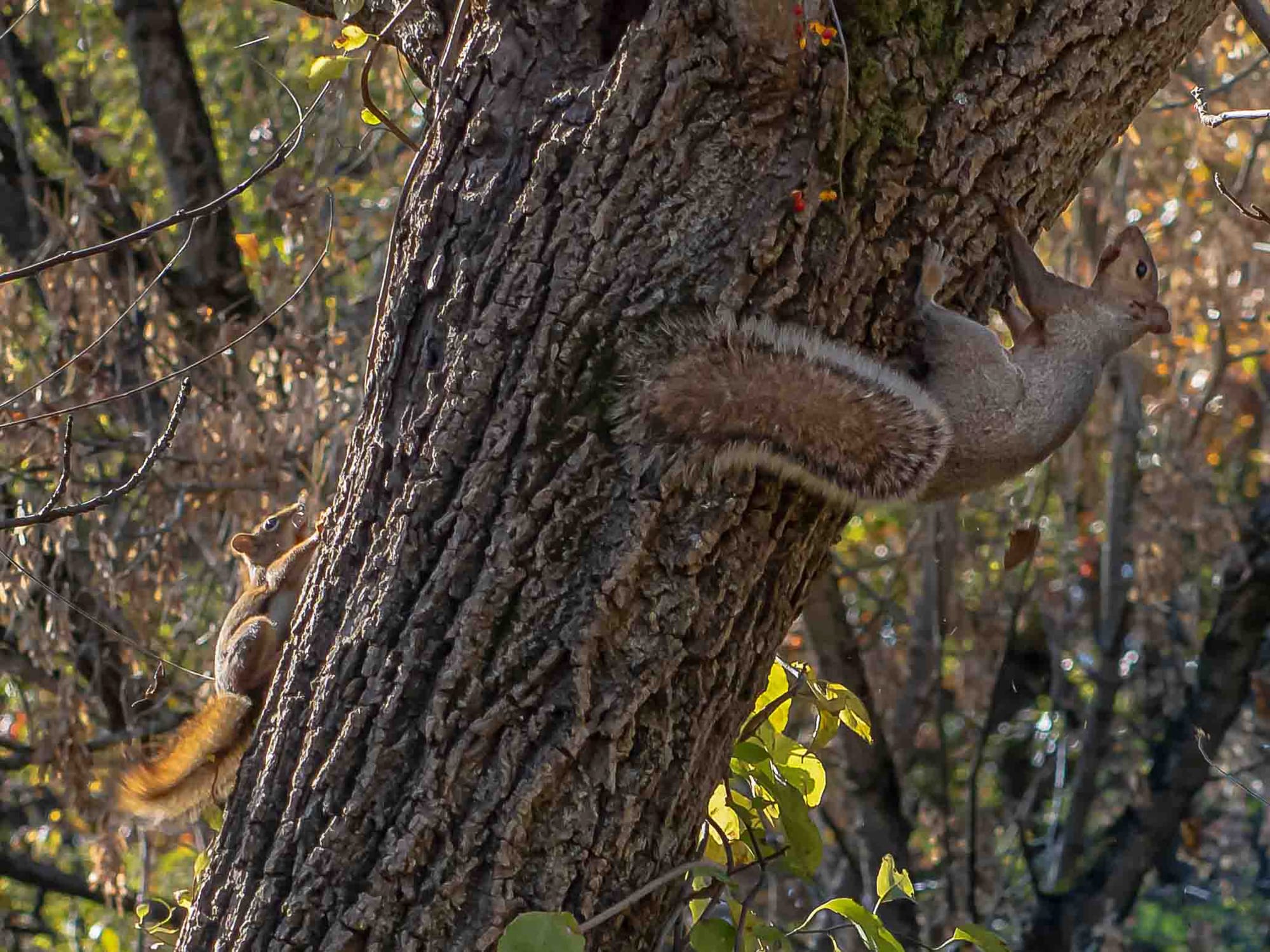
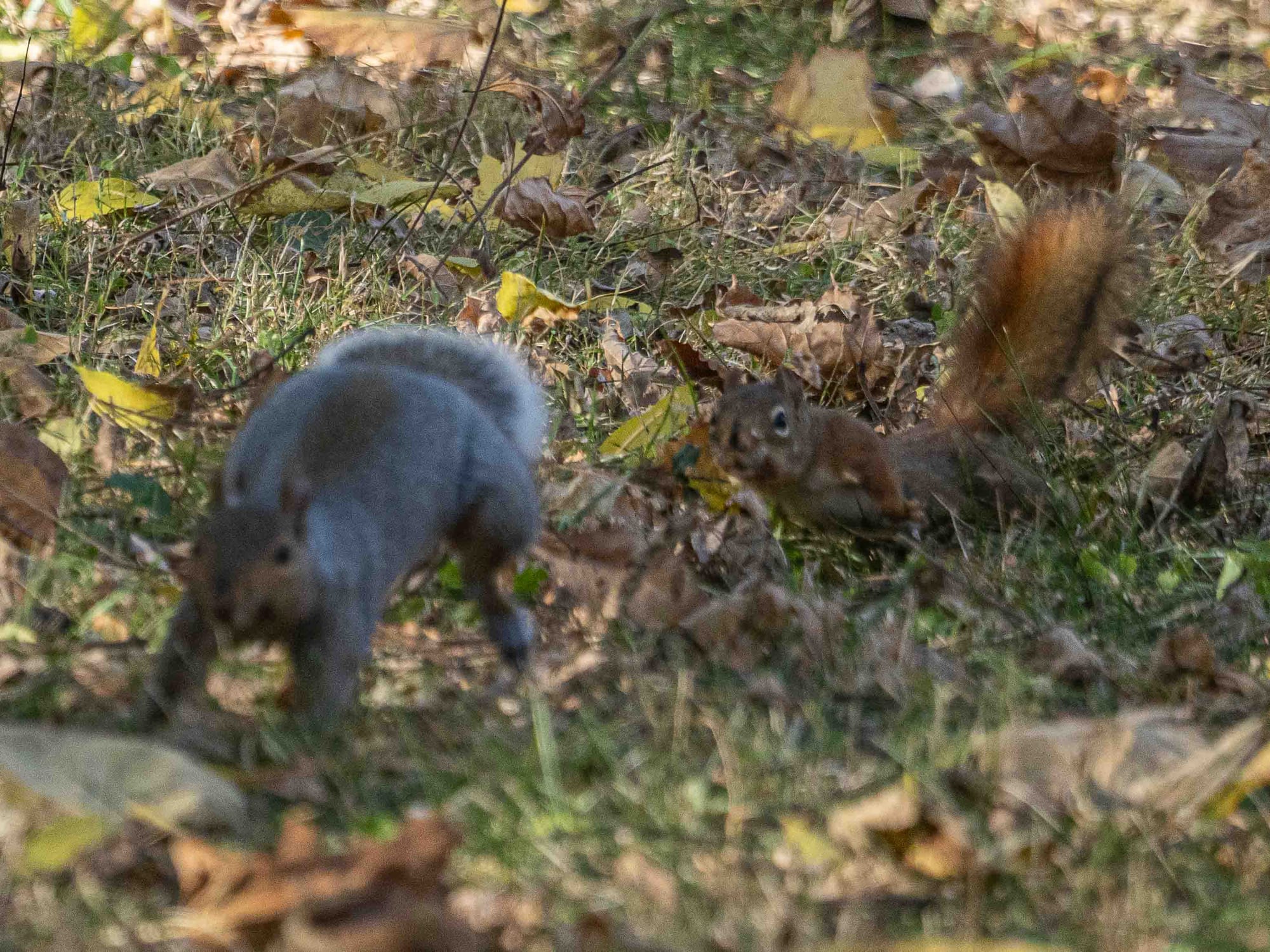
Red squirrels are smaller and more secretive than gray squirrels - they stay under cover and are rarely spotted in the open. They are fierce defenders of their territory and larders and will readily chase gray squirrels despite the size difference.
All winter long a steady rhythm of patient gnawing fills the woods. The narrow incisors of Red squirrels typically shave grooves into either side of the walnut perpendicular to the seam opening the four inner lobes of fat-rich nutmeat inside. Gray squirrels gnaw away and then leverage their larger incisors to fracture the shells thick walls into jagged pieces.
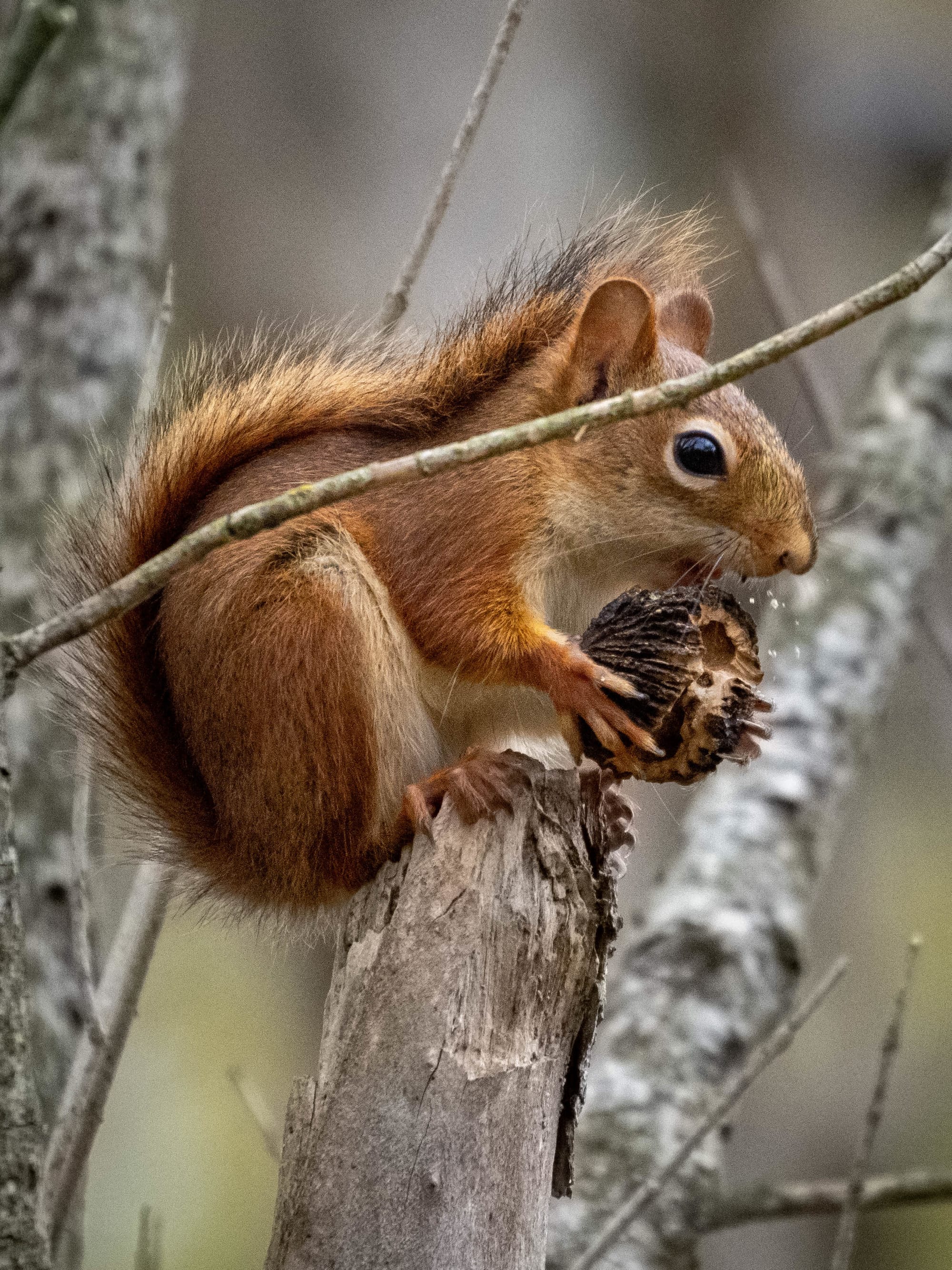
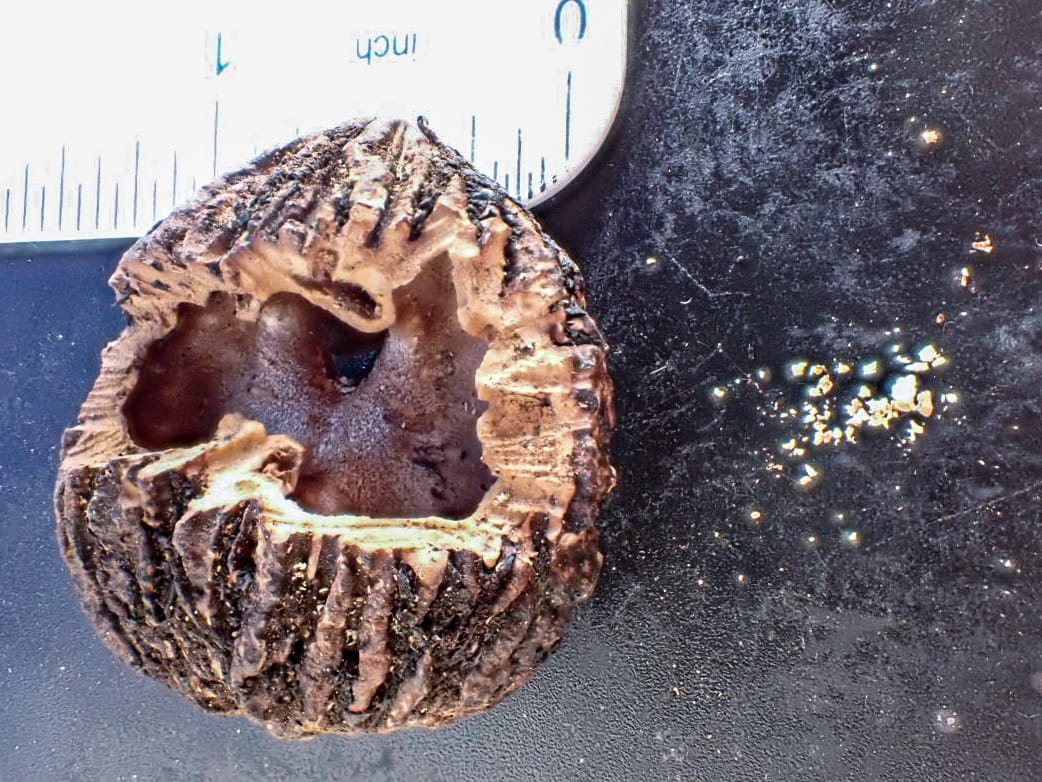
Red squirrels open both sides of the walnut and most of the time the shell stays intact. The shell opened by a red squirrel is shown alongside some of the nutmeat debris left behind.
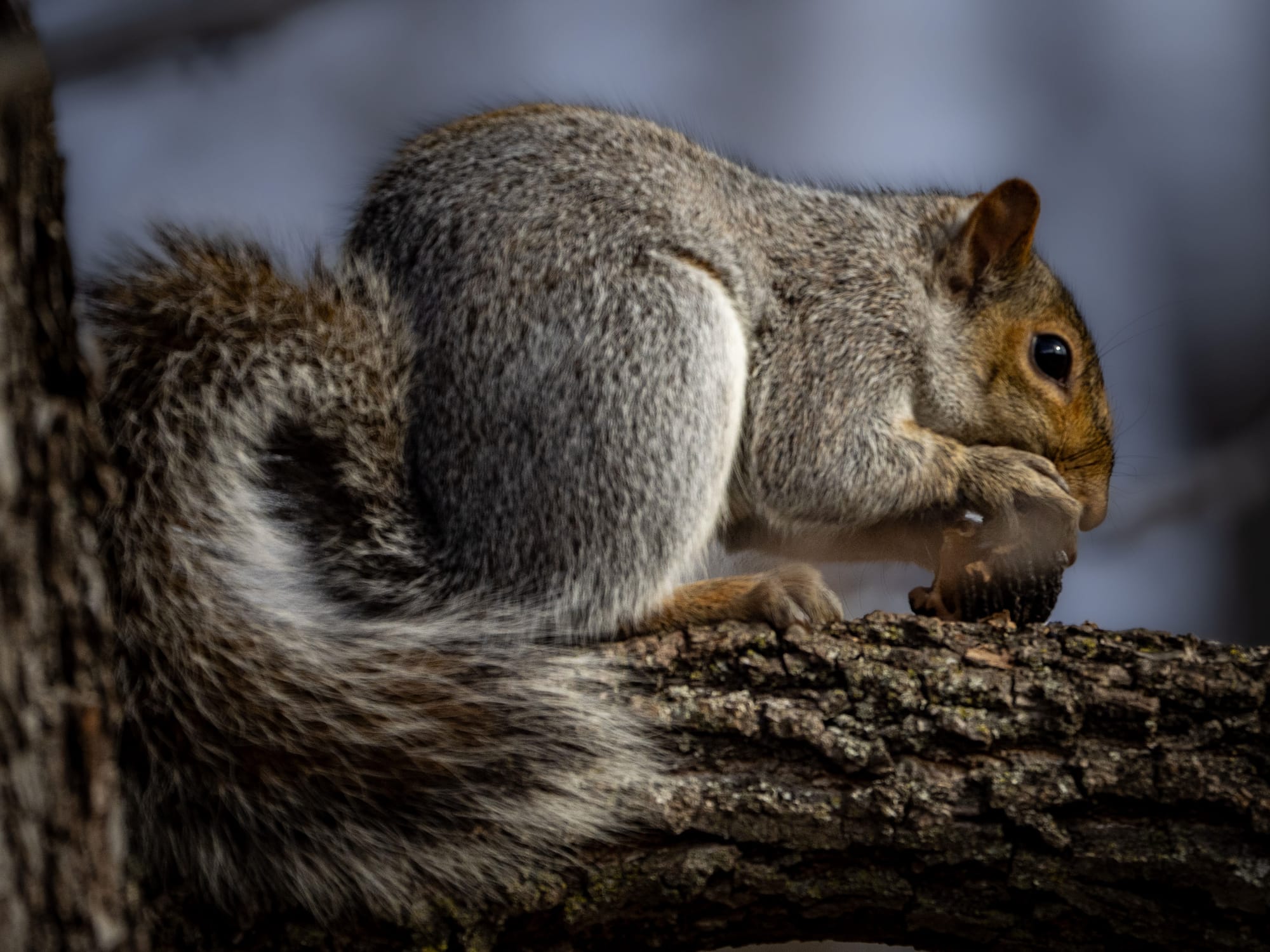
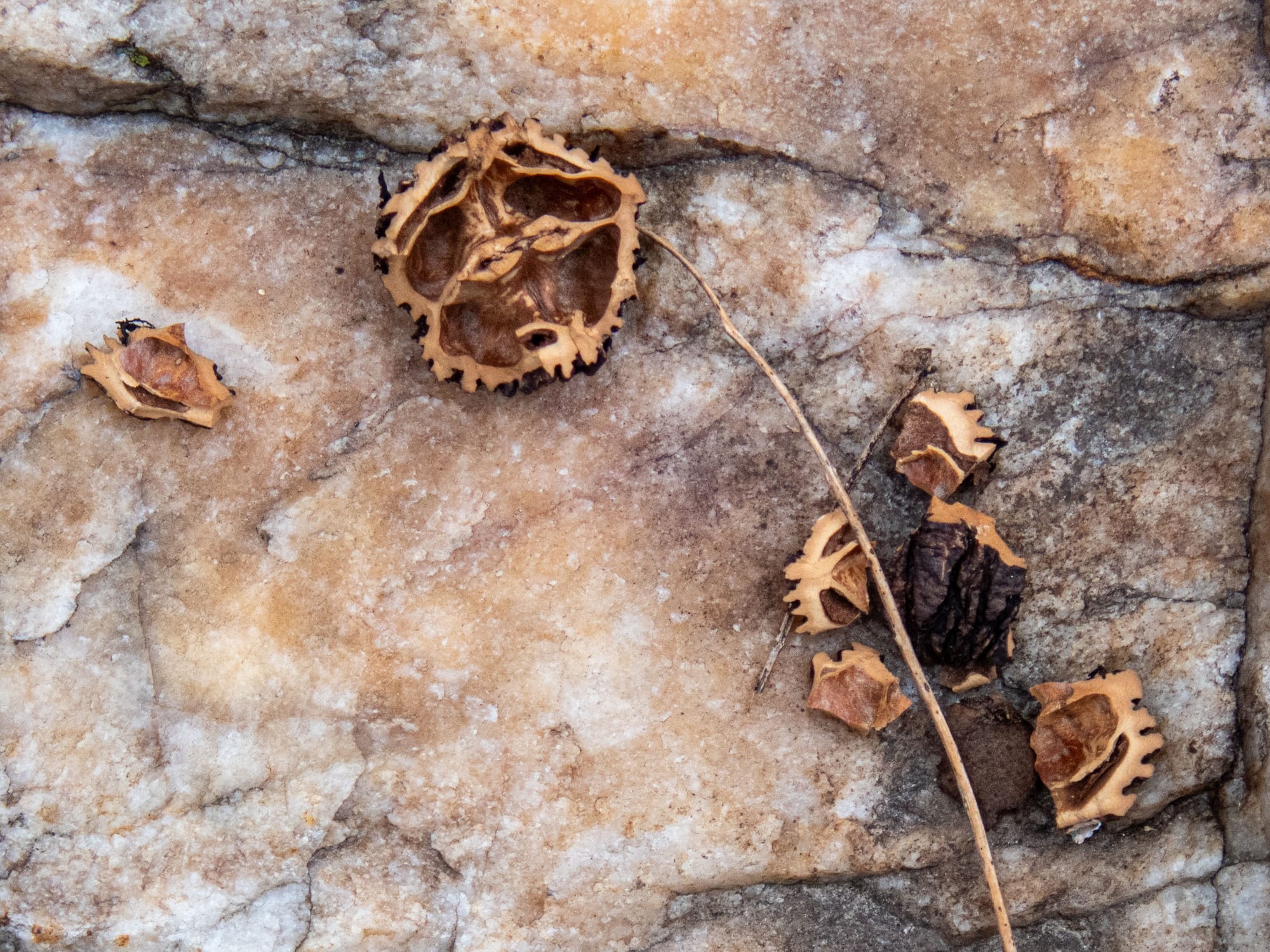
The larger jaws of the gray squirrels enable them to gnaw into the shell and then break it into pieces. The broken fragments of the shell opened by a gray squirrel.
Once the squirrels are through chickadees, nuthatches, jays, and woodpeckers probe the shells for pieces too small for squirrels to bother with. Black walnut is among the highest-energy wild foods found in the park. What the squirrels miss could be a bird's margin of survival.
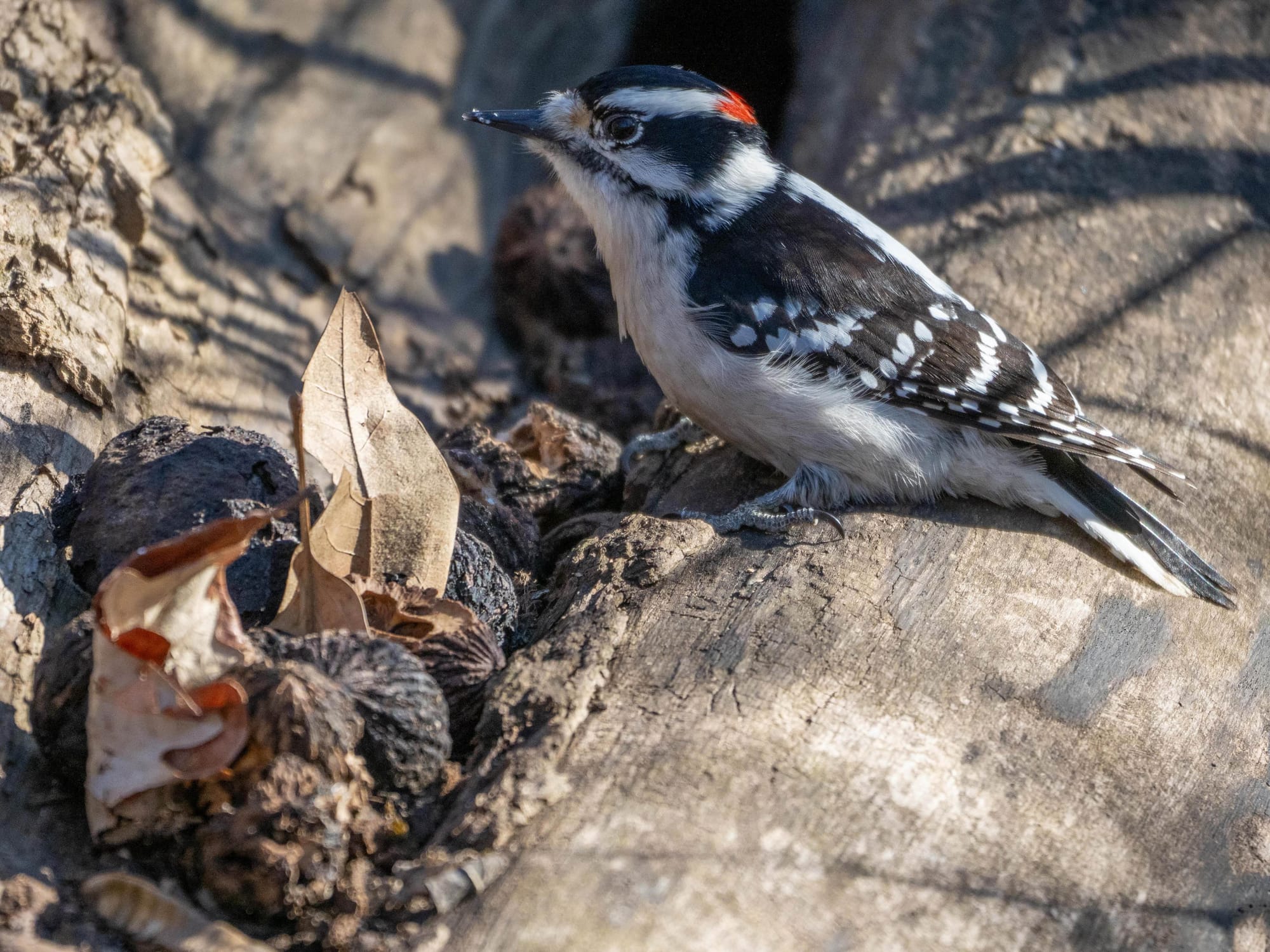
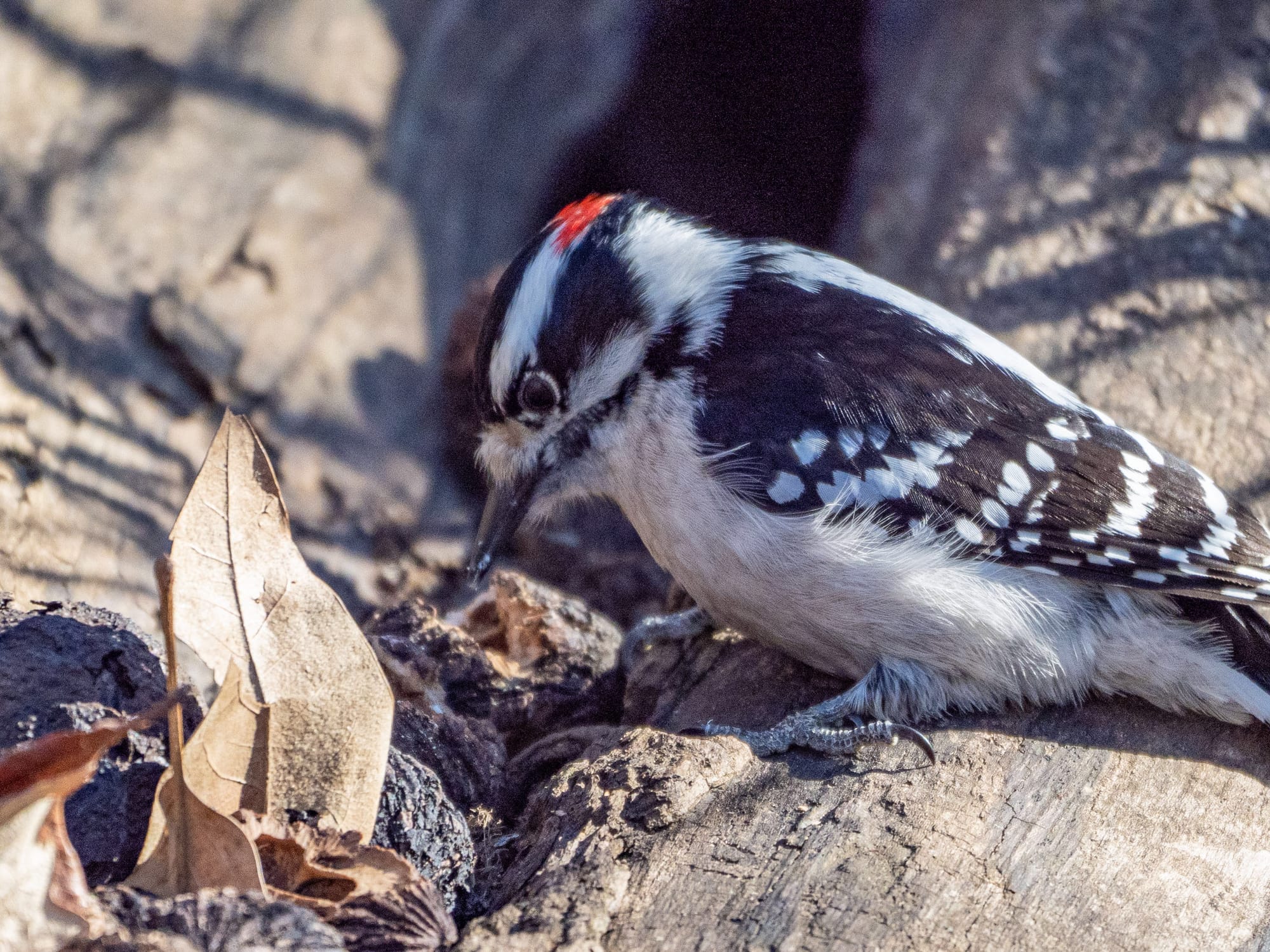
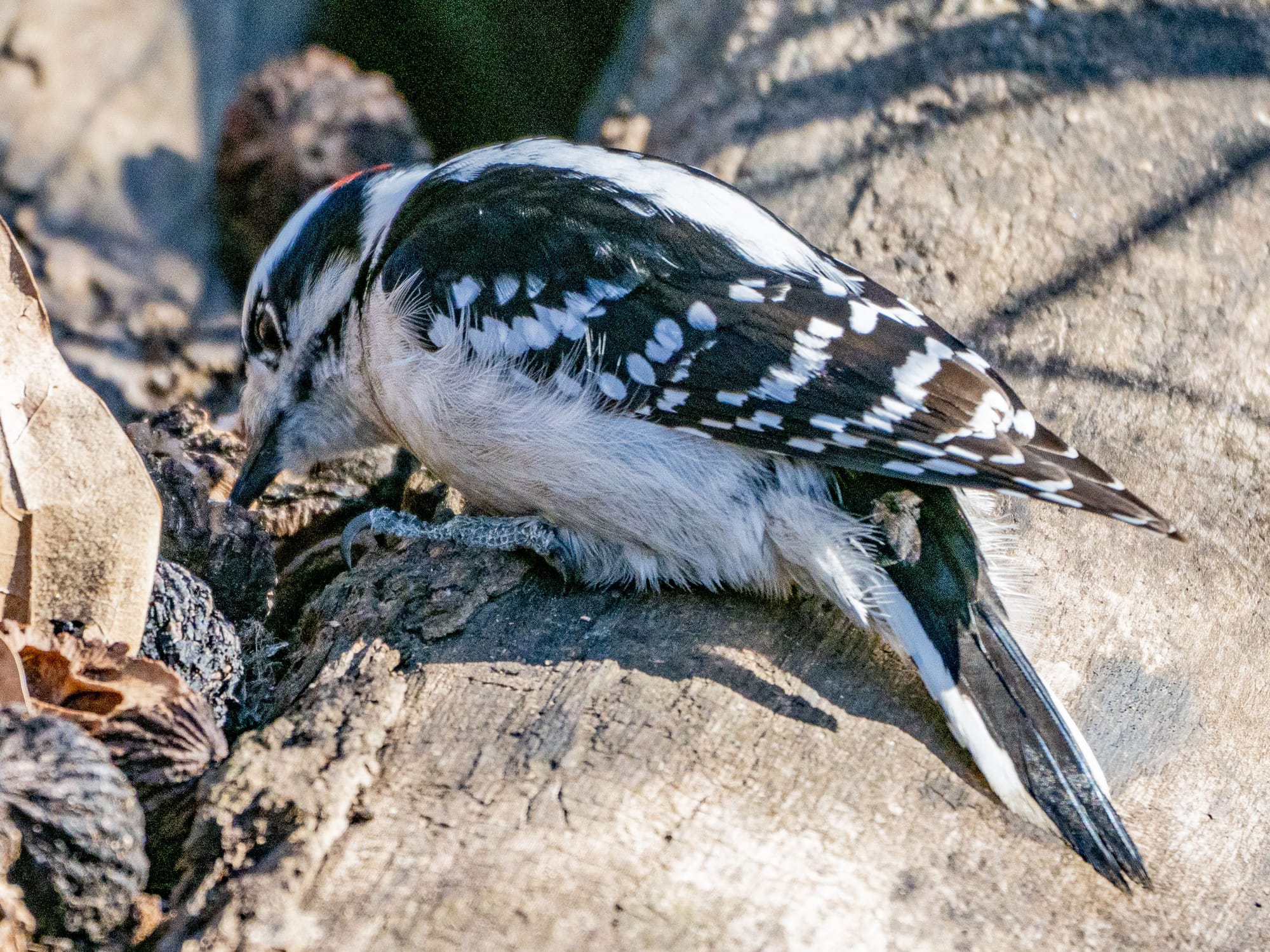
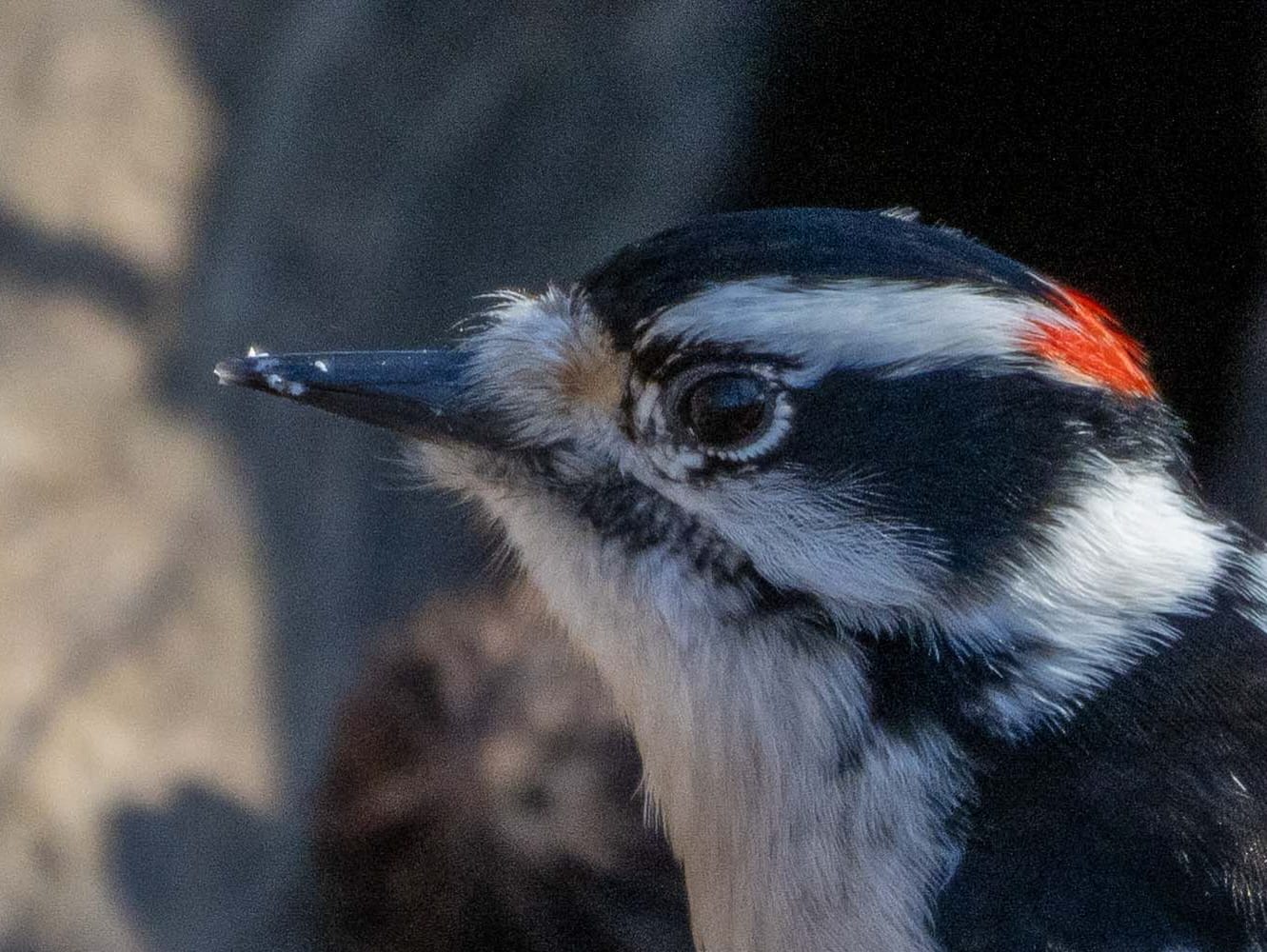
This downy woodpecker is gleaning the bits of nutmeat left behind in a black walnut shell. The close-up shows the fragments of nutmeat on the bird's bill.
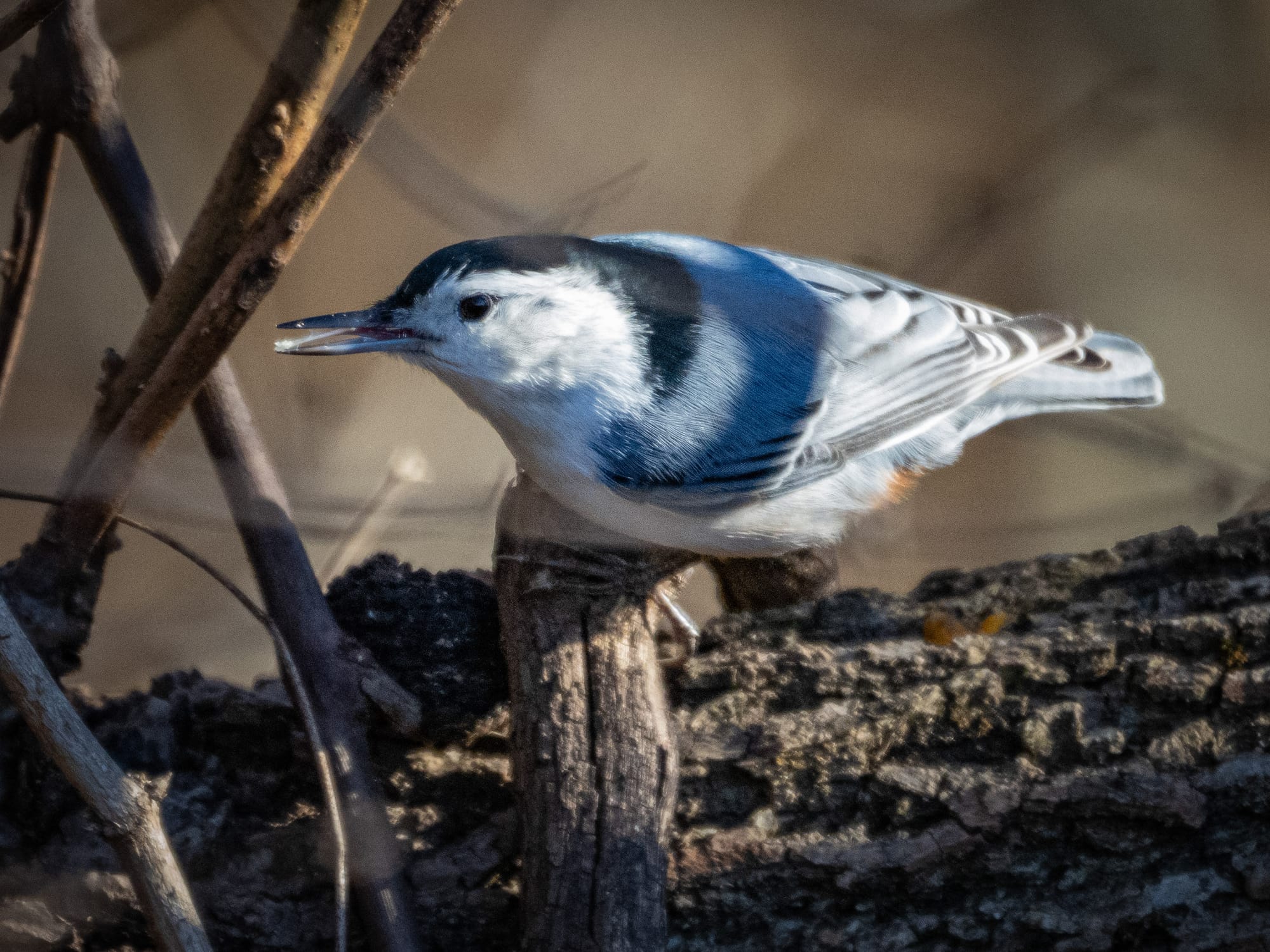
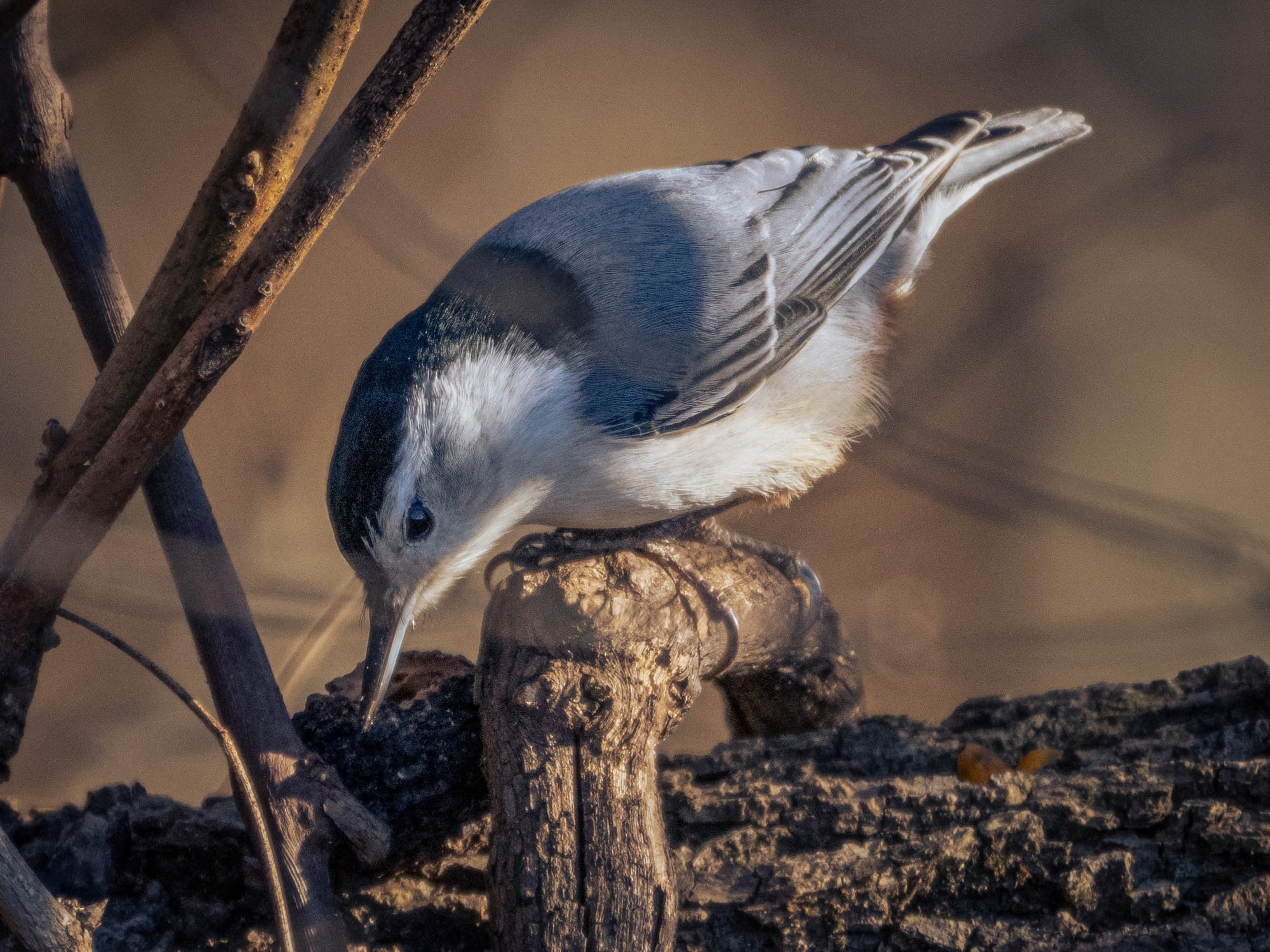
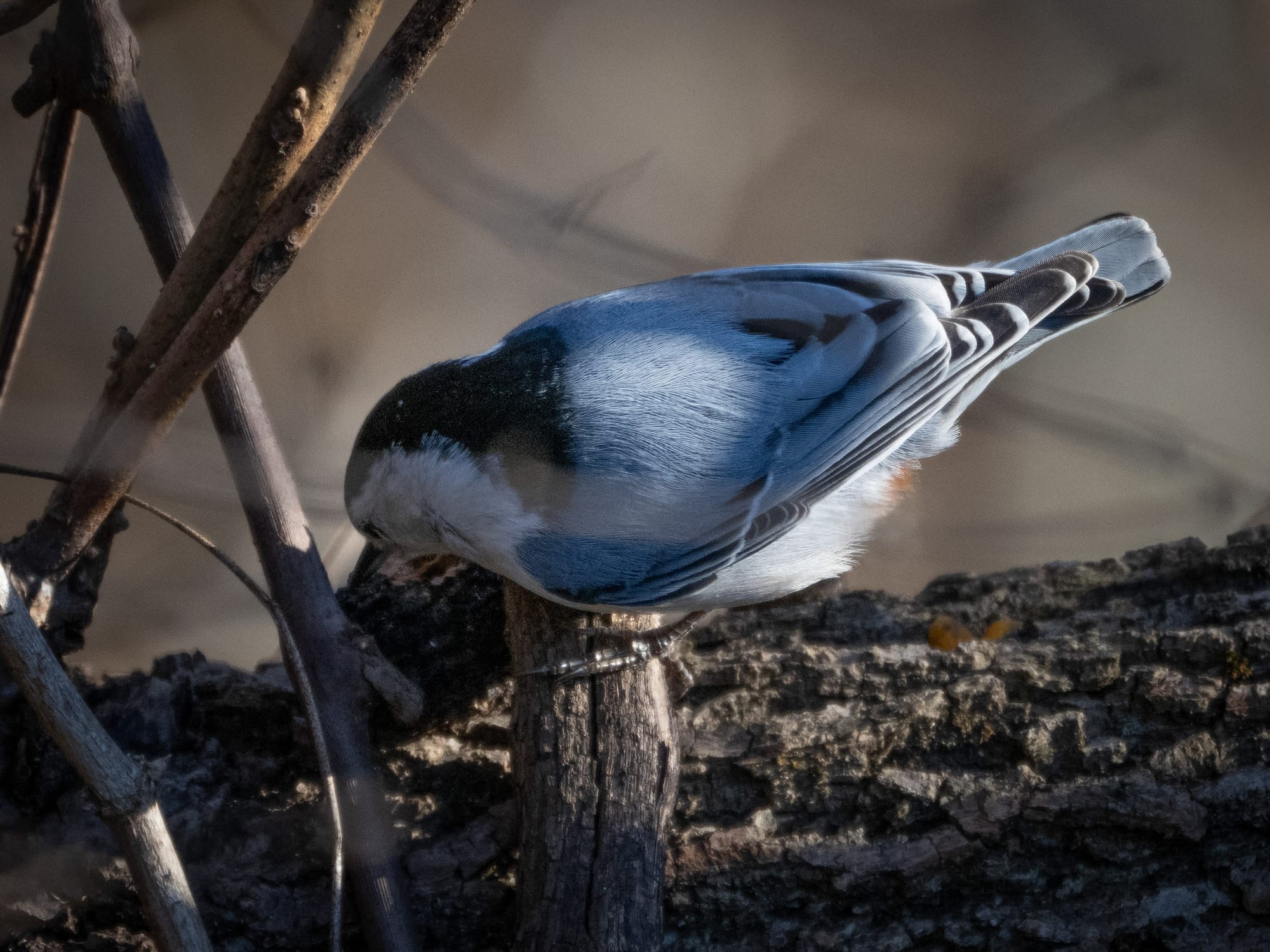
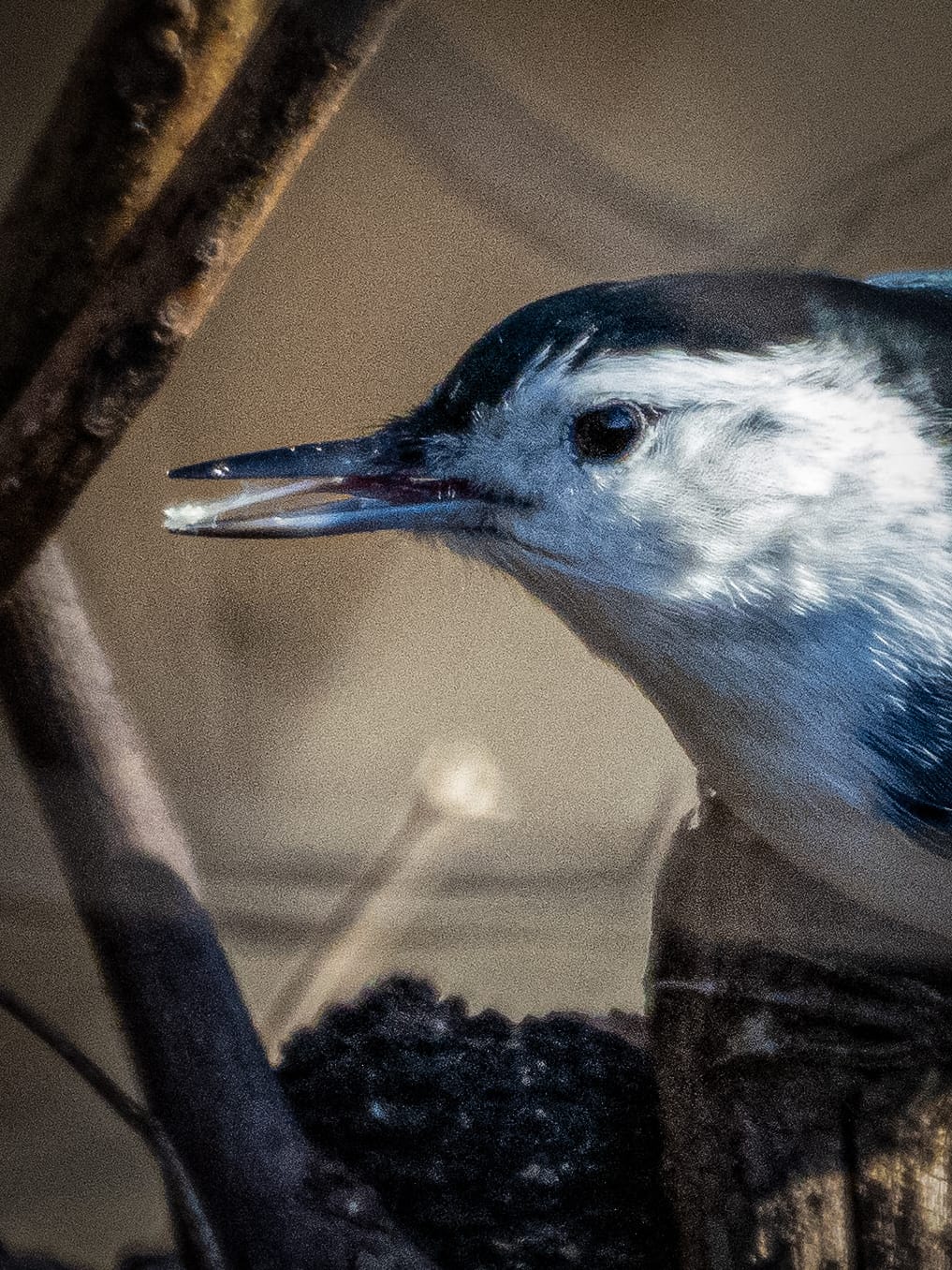
A white-breasted nuthatch cleaning out another black walnut shell. The close-up shows the fragments of nutmeat on the bird's bill.
Birds aren't the only ones taking advantage of squirrel leftovers, mice and other small mammals likely feed on the same fragments. Unlike softer nuts the sturdy black walnut shells guard against rapid decay providing food value for a full season. Squirrels draw on this forest mainstay all winter and share (albeit unintentionally) the currency of the black walnut economy.