Countershading

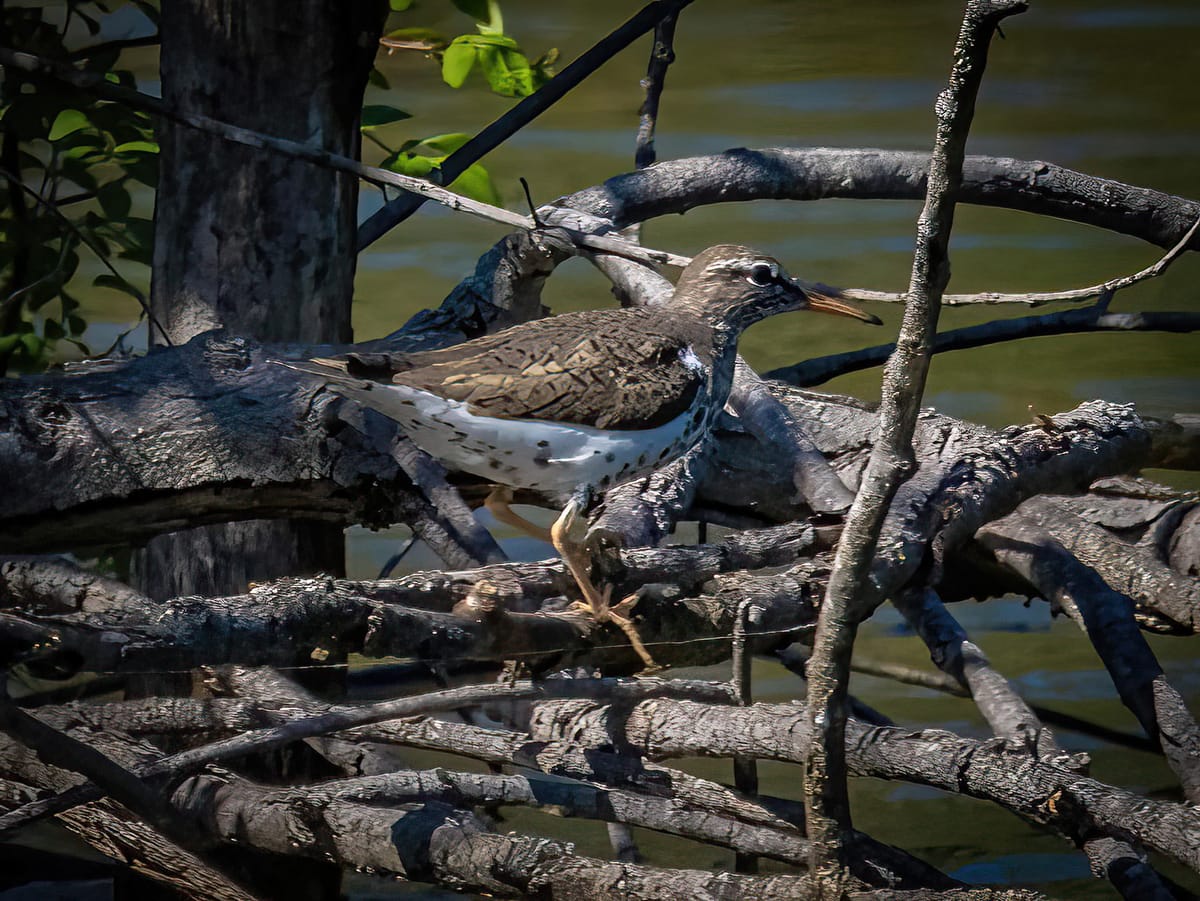
Most animals are lighter underneath and darker on top. This is one of those things that goes unnoticed until someone points it out and you begin seeing it all the time.
Sunlight creates shadows, shadows make animals more visible, the more visible you are the more likely you’ll be prey, or (if you are a predator) the more likely prey will see you. Being darker on back and lighter underneath softens shadows making your appearance flatter and less obvious, especially if you keep still. This pattern of dark over light is called countershading.
The light/dark gradient took hold again and again in evolution. It has been so advantageous it spread through distant lineages to be carried forward into new eras and habitats.
Abbott H. Thayer, a painter and naturalist working in the late 1800s, first showed how this works in nature and applied similar principles to the design of camouflage.
Besides providing camouflage, countershading may aid some species in controlling heat or act as a visual cue when the lighter underside is displayed. Because it causes no disadvantage and exacts little or no costs some species remain countershaded although it’s no longer as beneficial as it once may have been. For example, raccoons are still countershaded even though they are most active at night, and moles are countershaded despite spending most of their lives underground.
A few countershaded animals you'll see at Nixon Park-
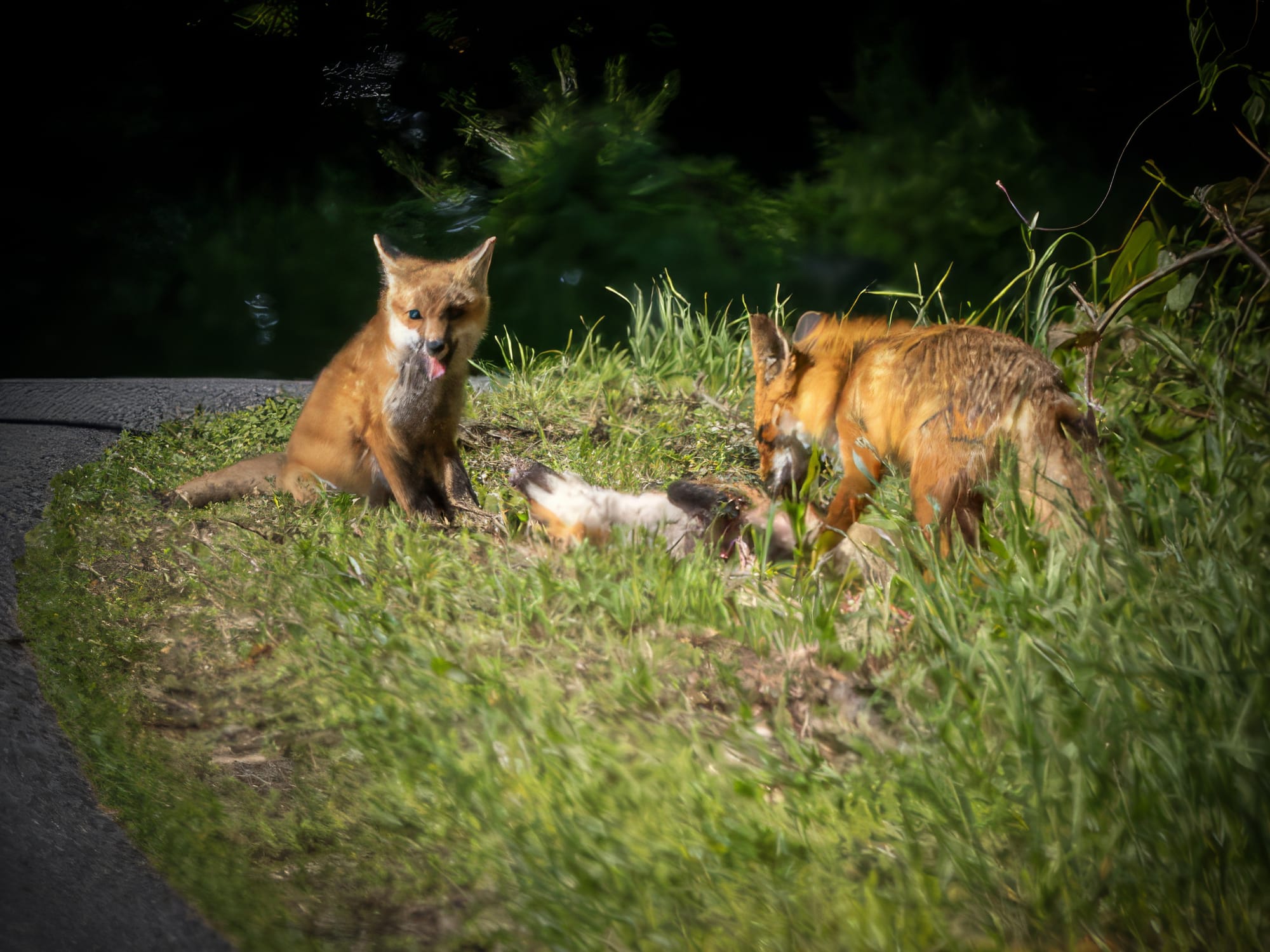
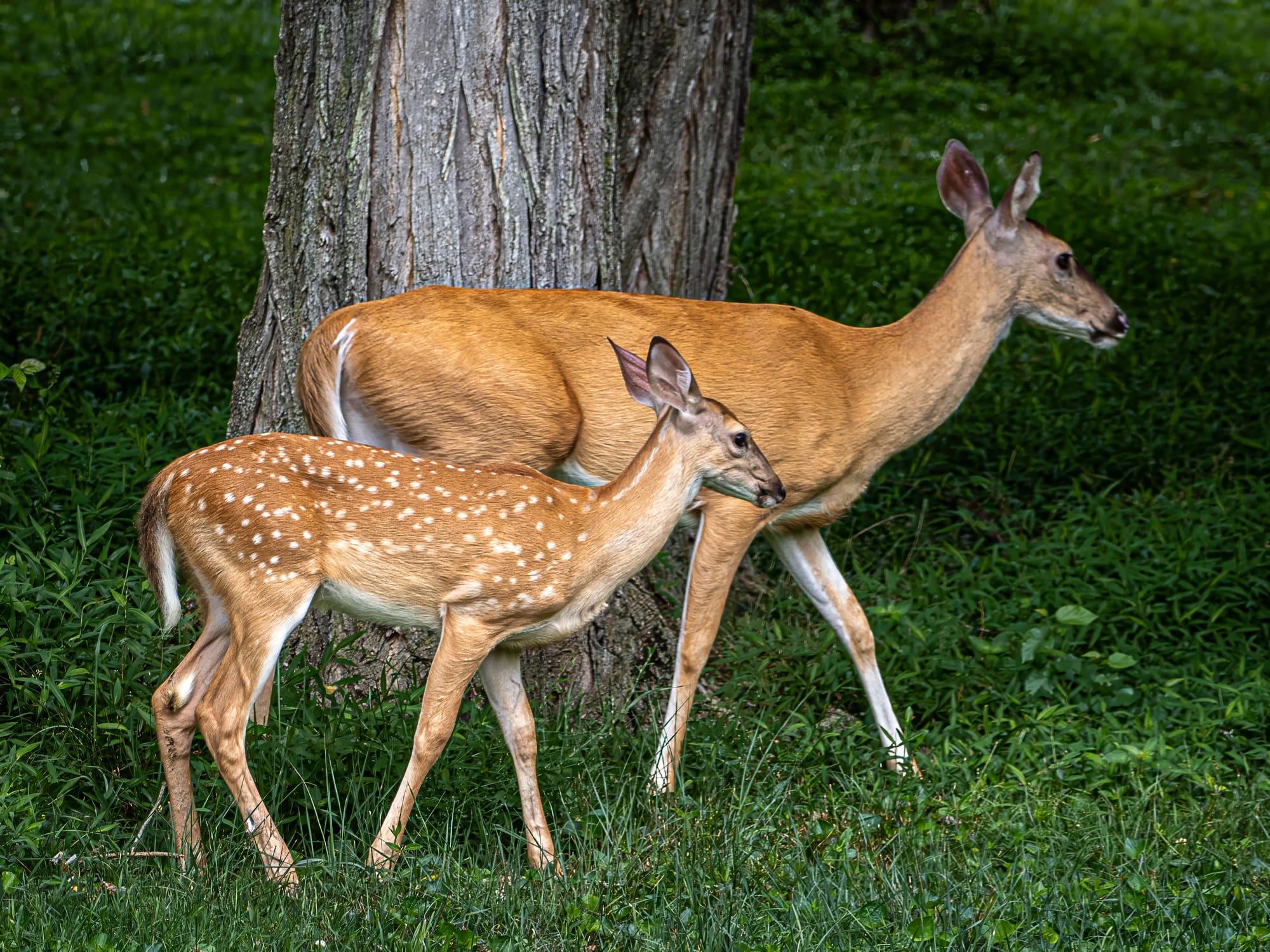
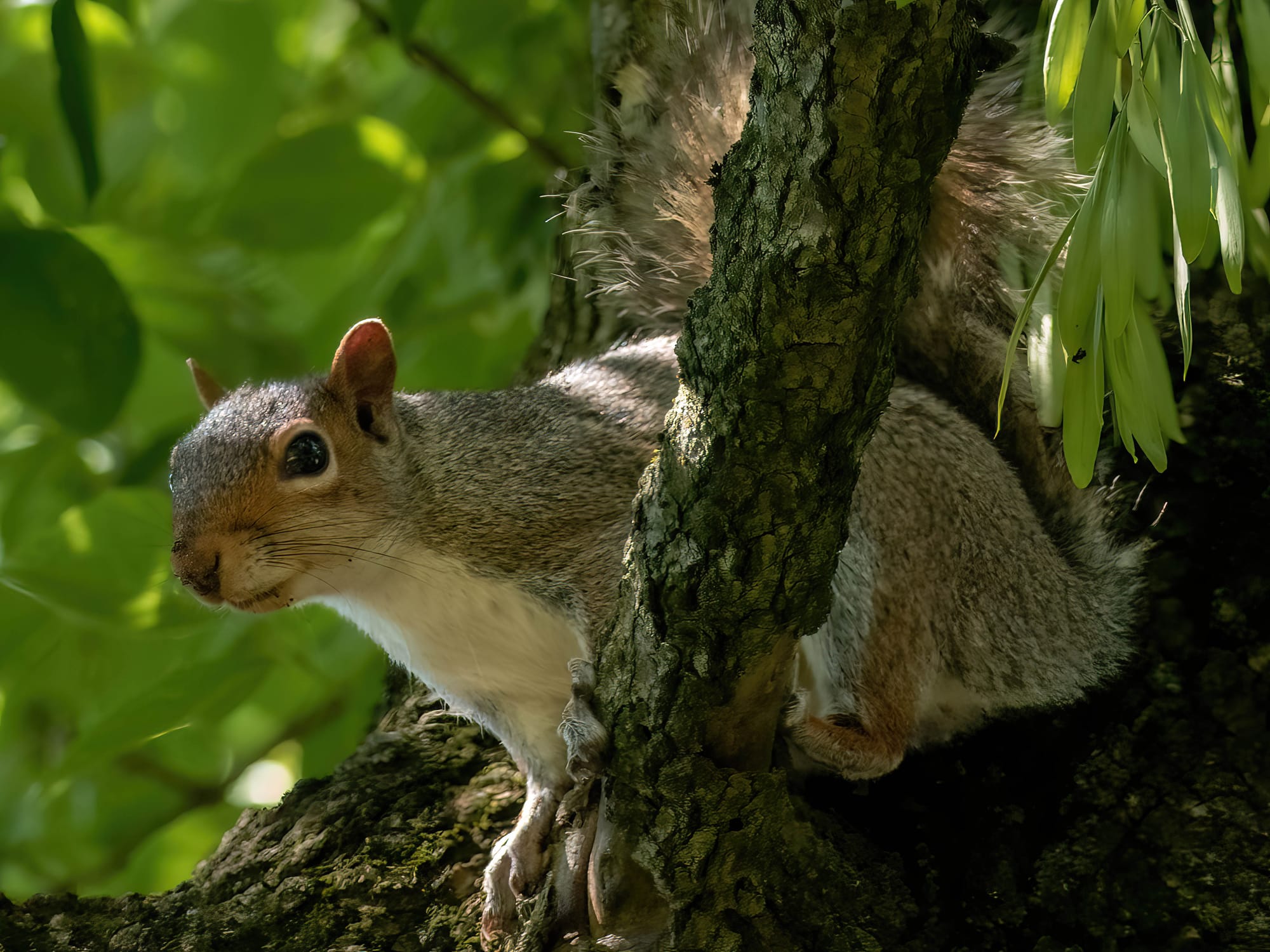
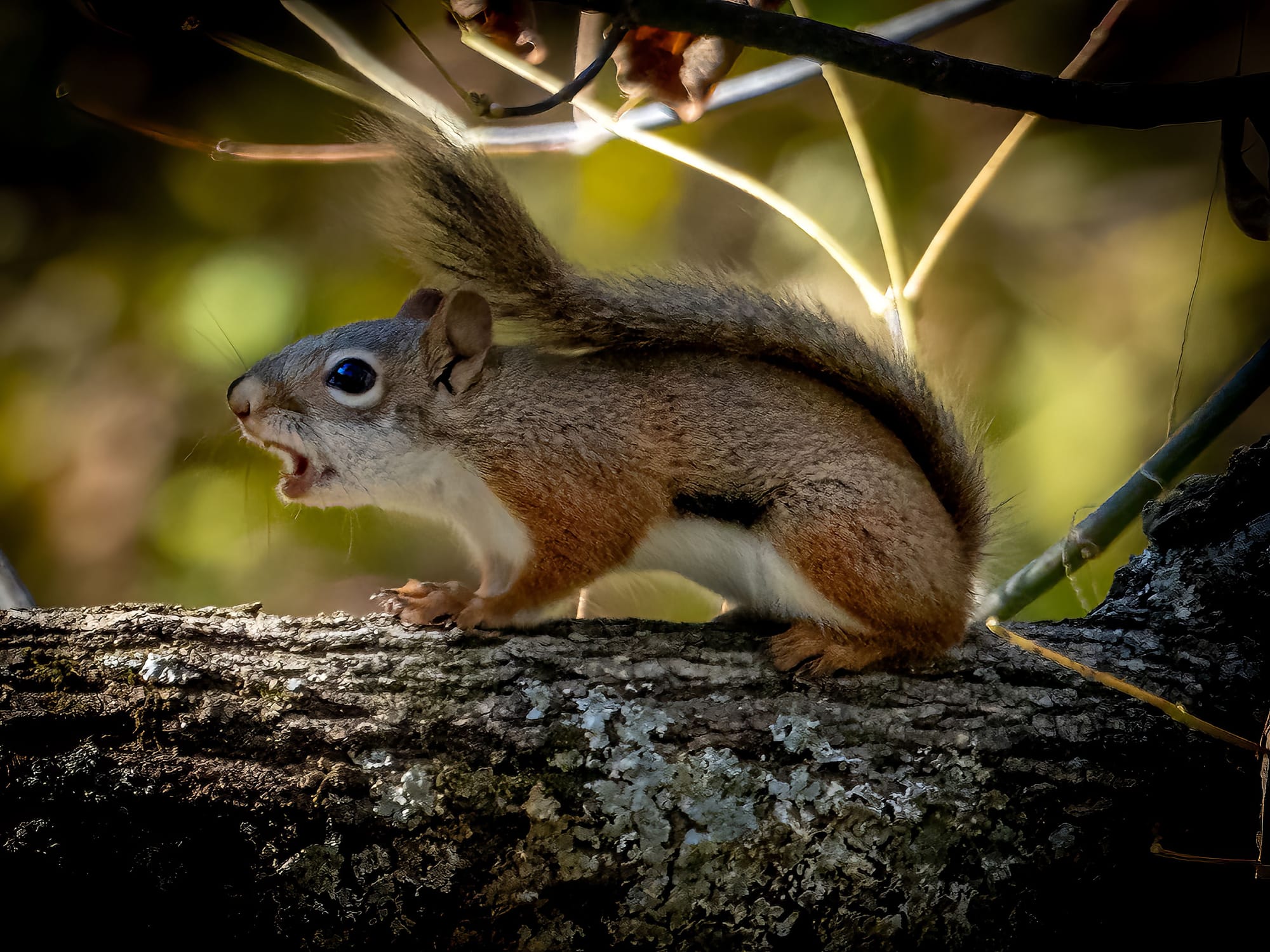
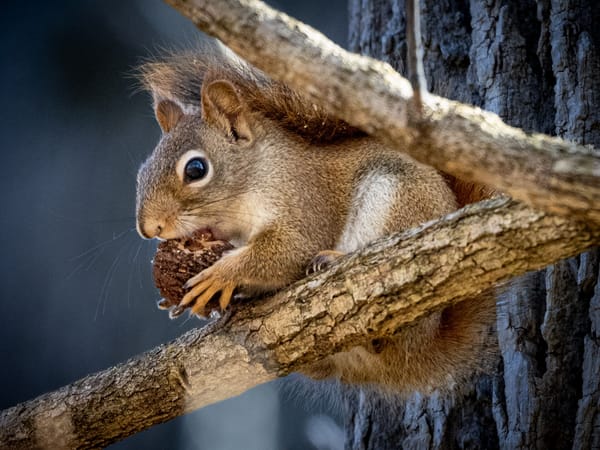
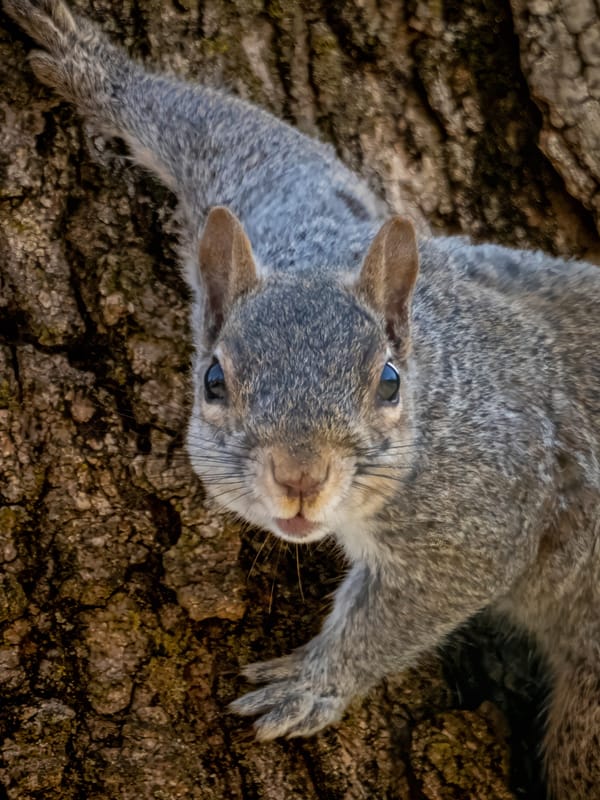
Red Foxes, White-tailed Deer, Grey Squirrel, Red Squirrel
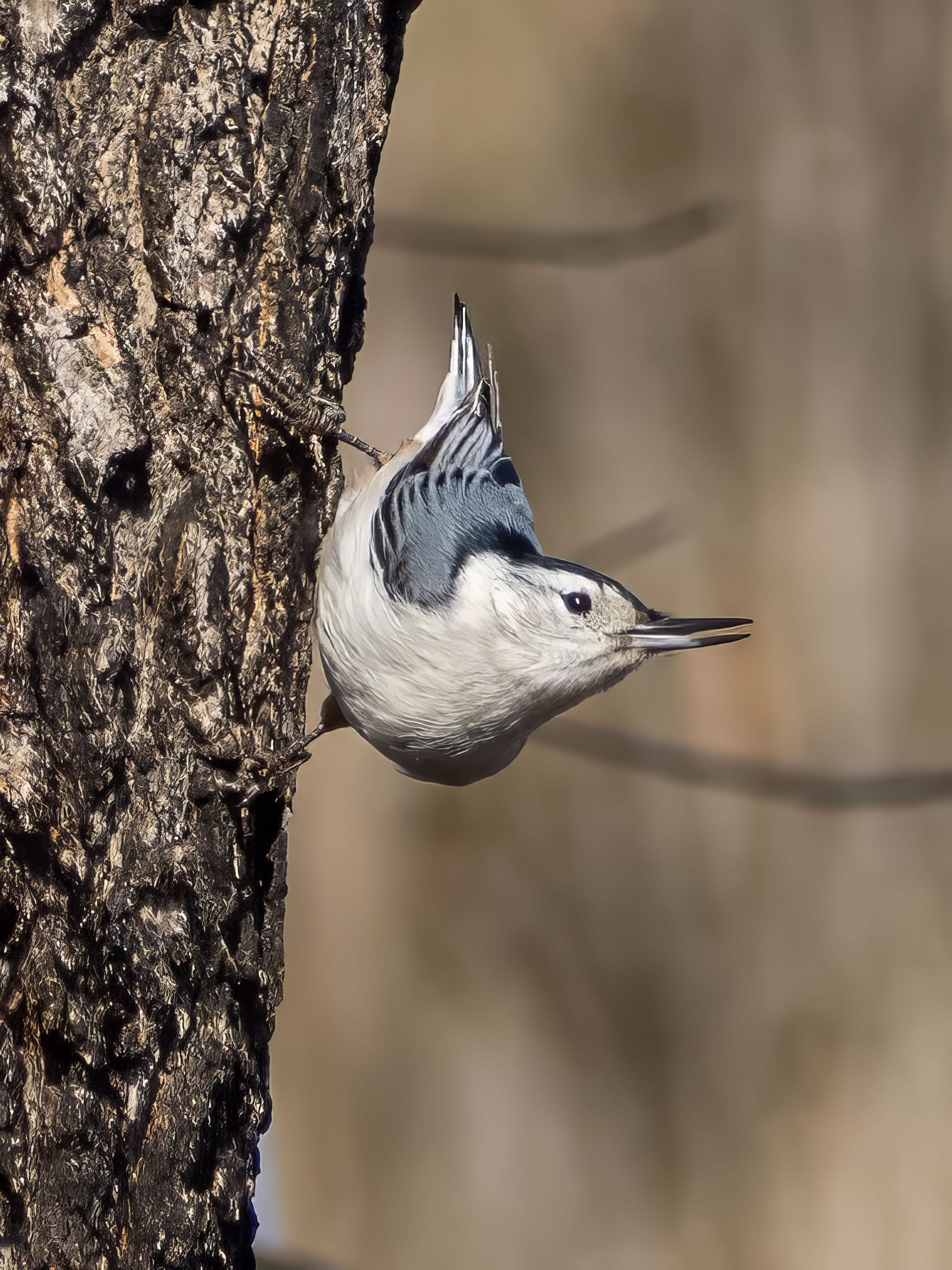
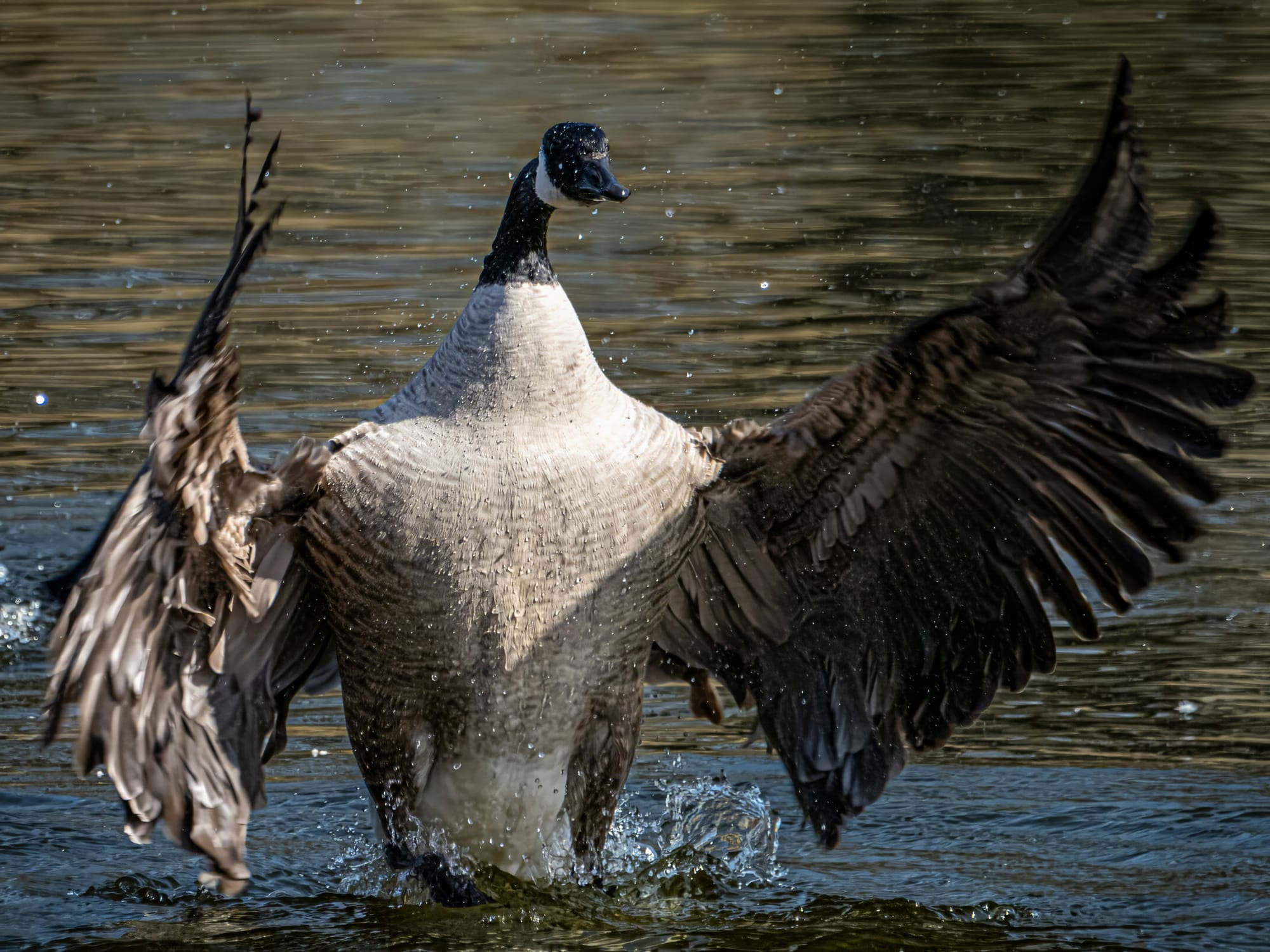
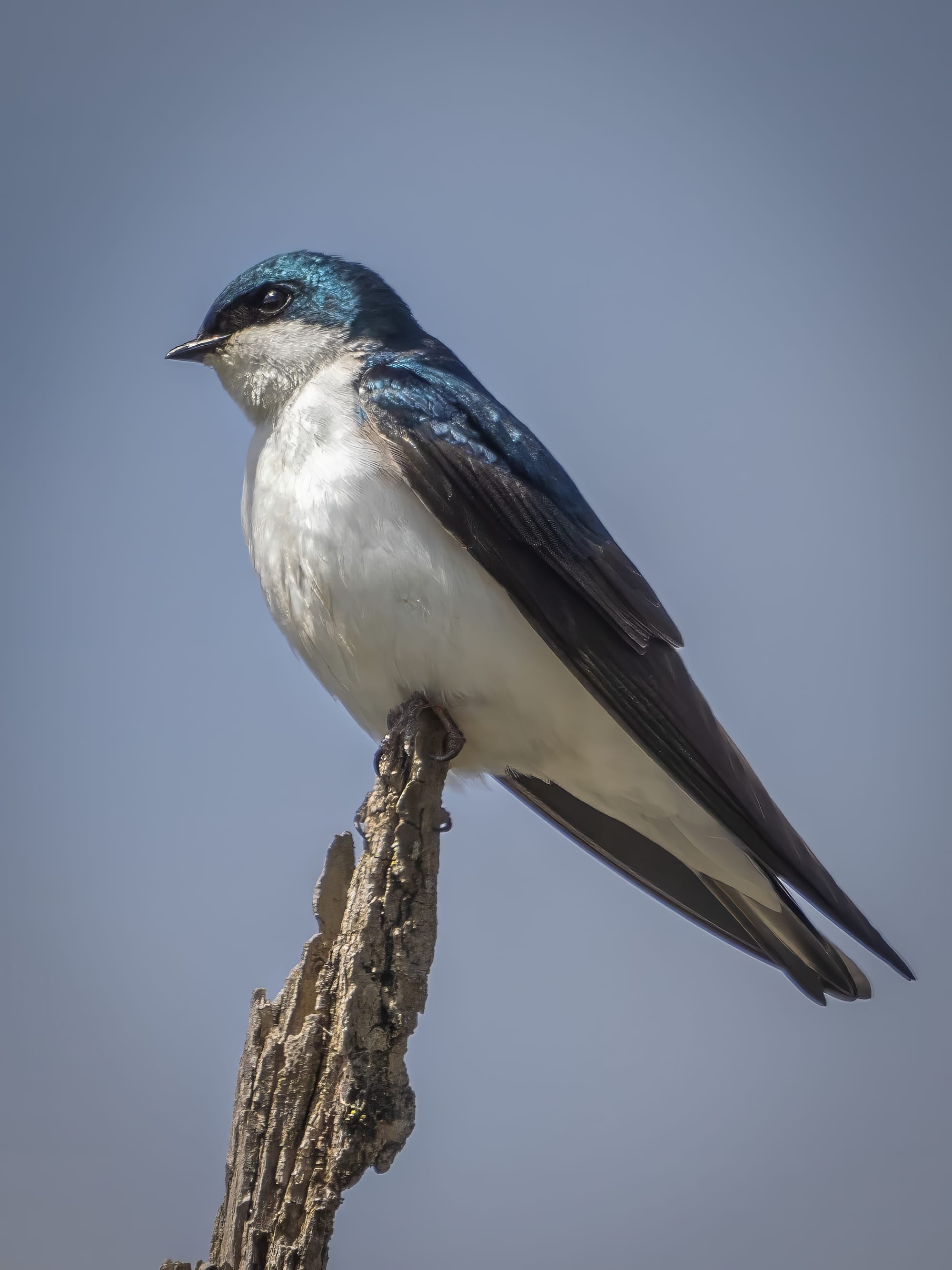
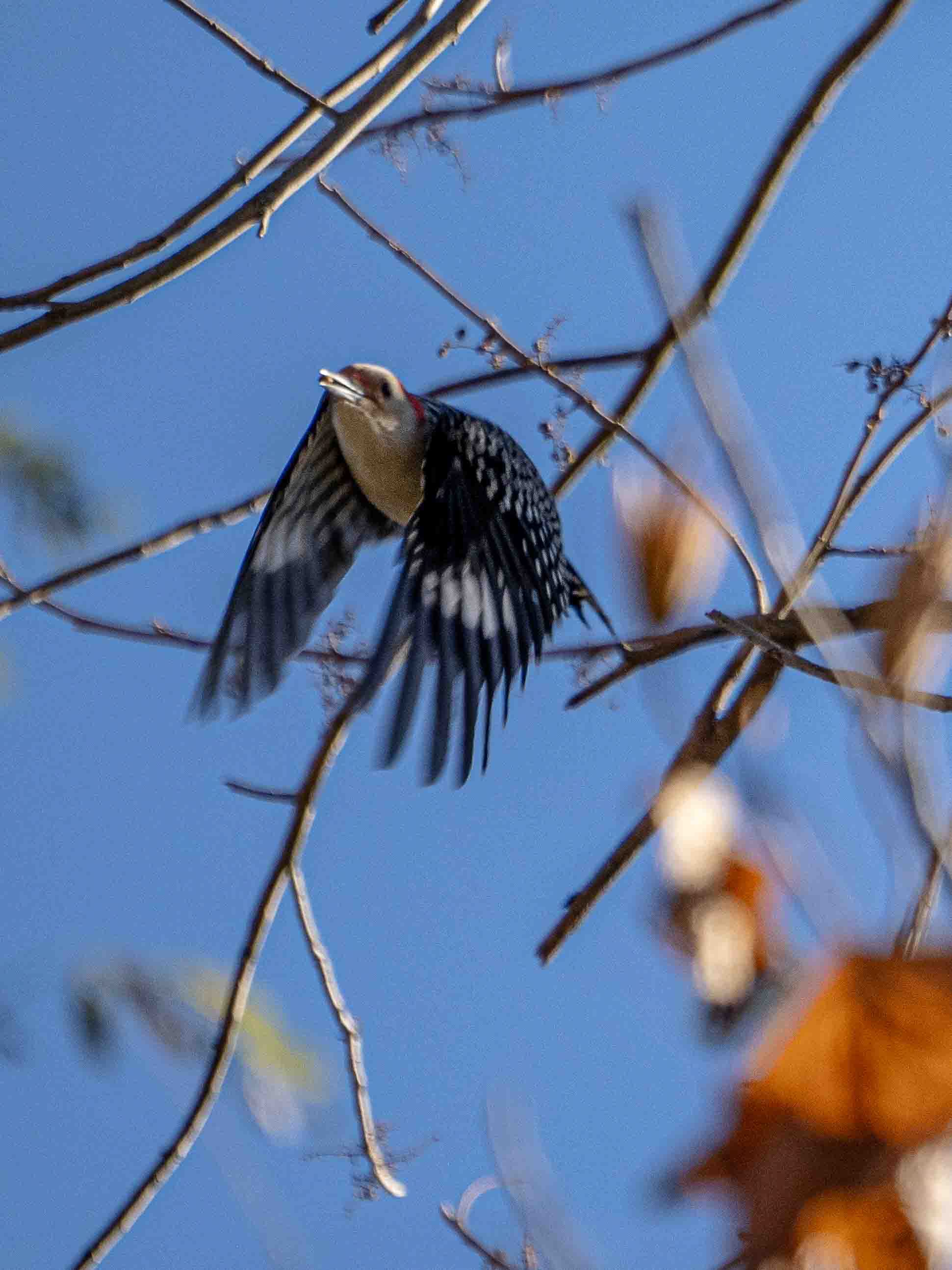
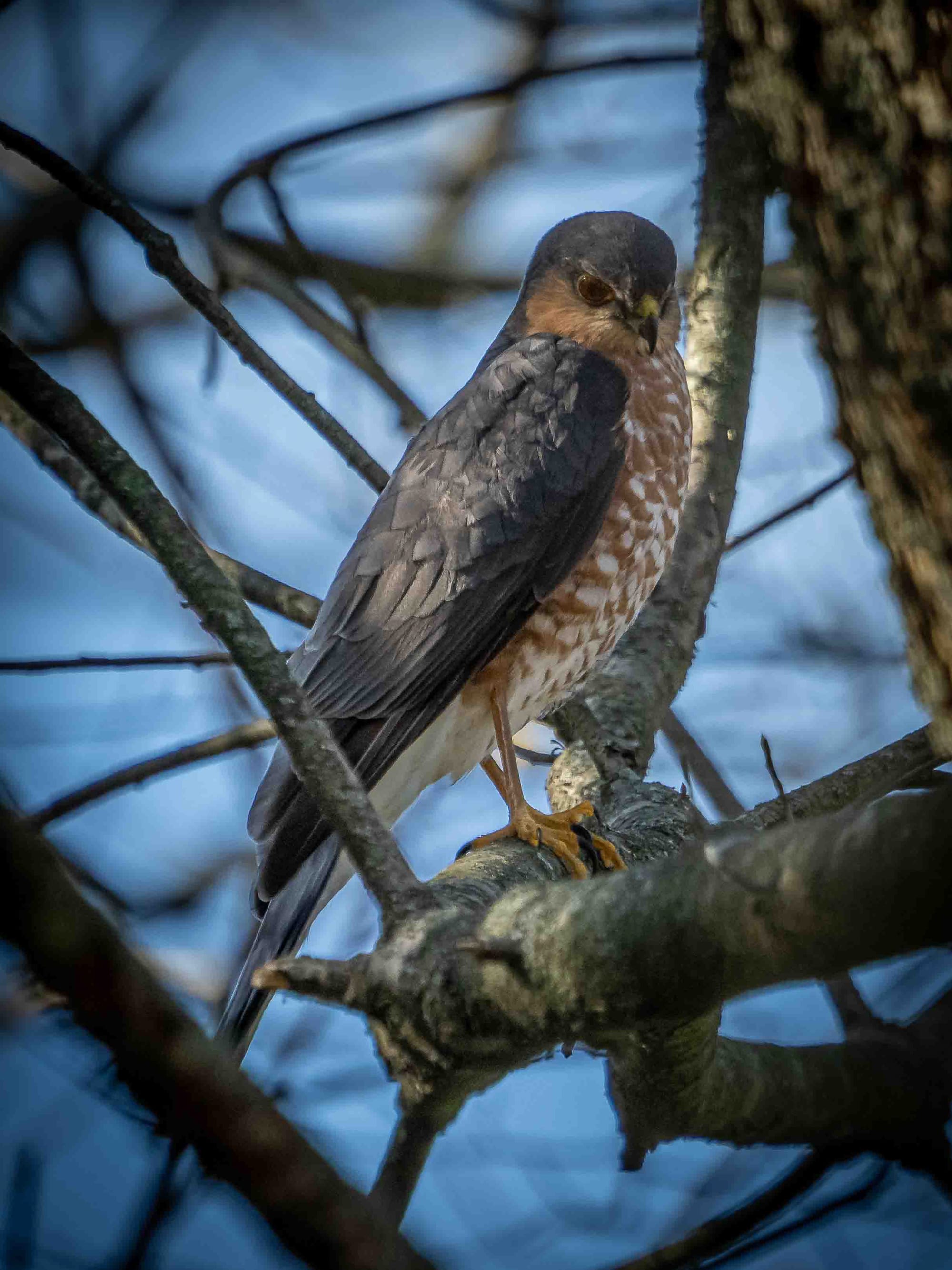
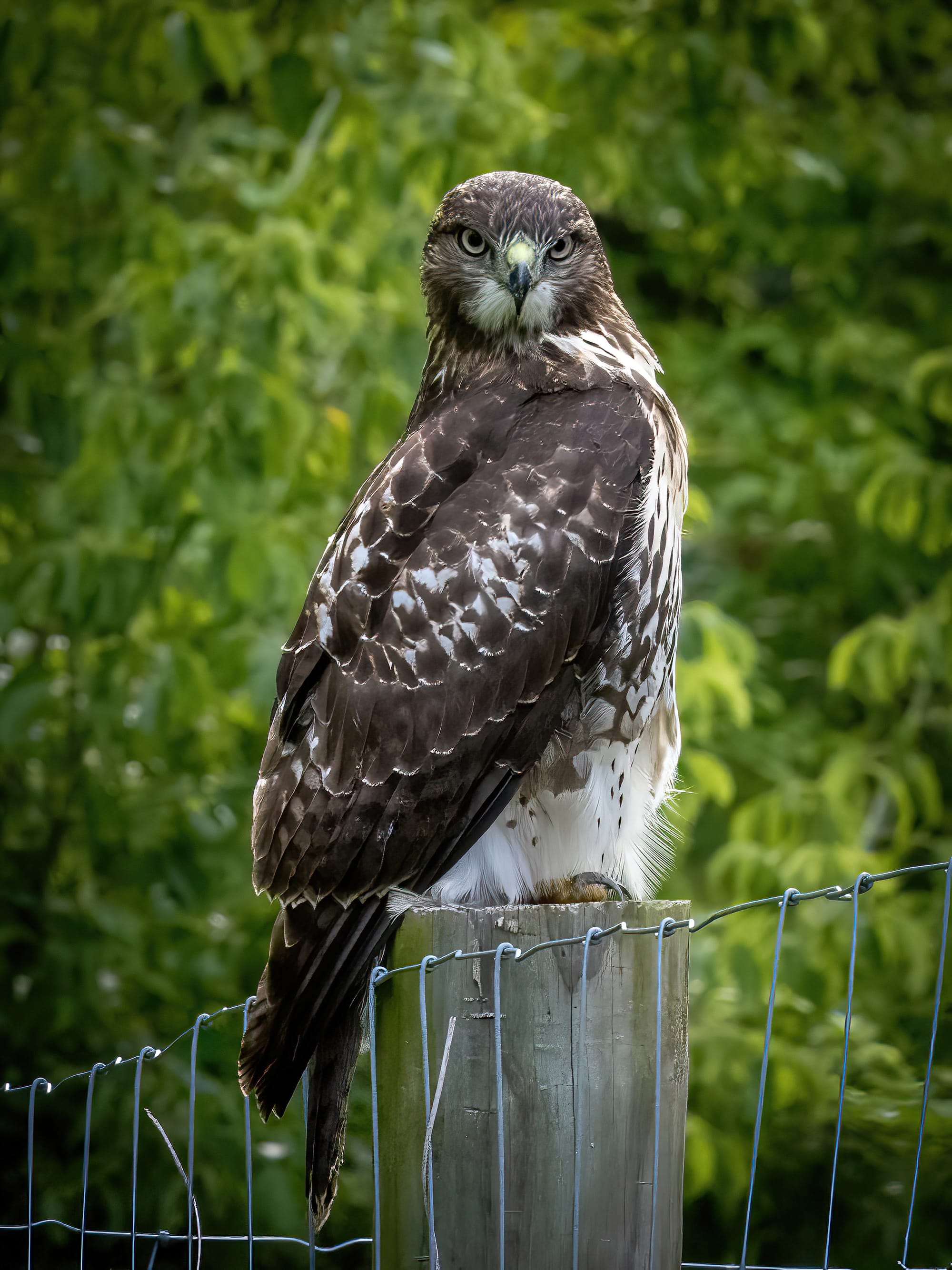
White-breasted Nuthatch, Canada Goose, Tree Swallow, Red-bellied Woodpecker, Sharp-shinned Hawk, Red-tailed Hawk