Recently at Nixon Park - January 2026
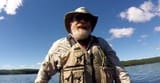
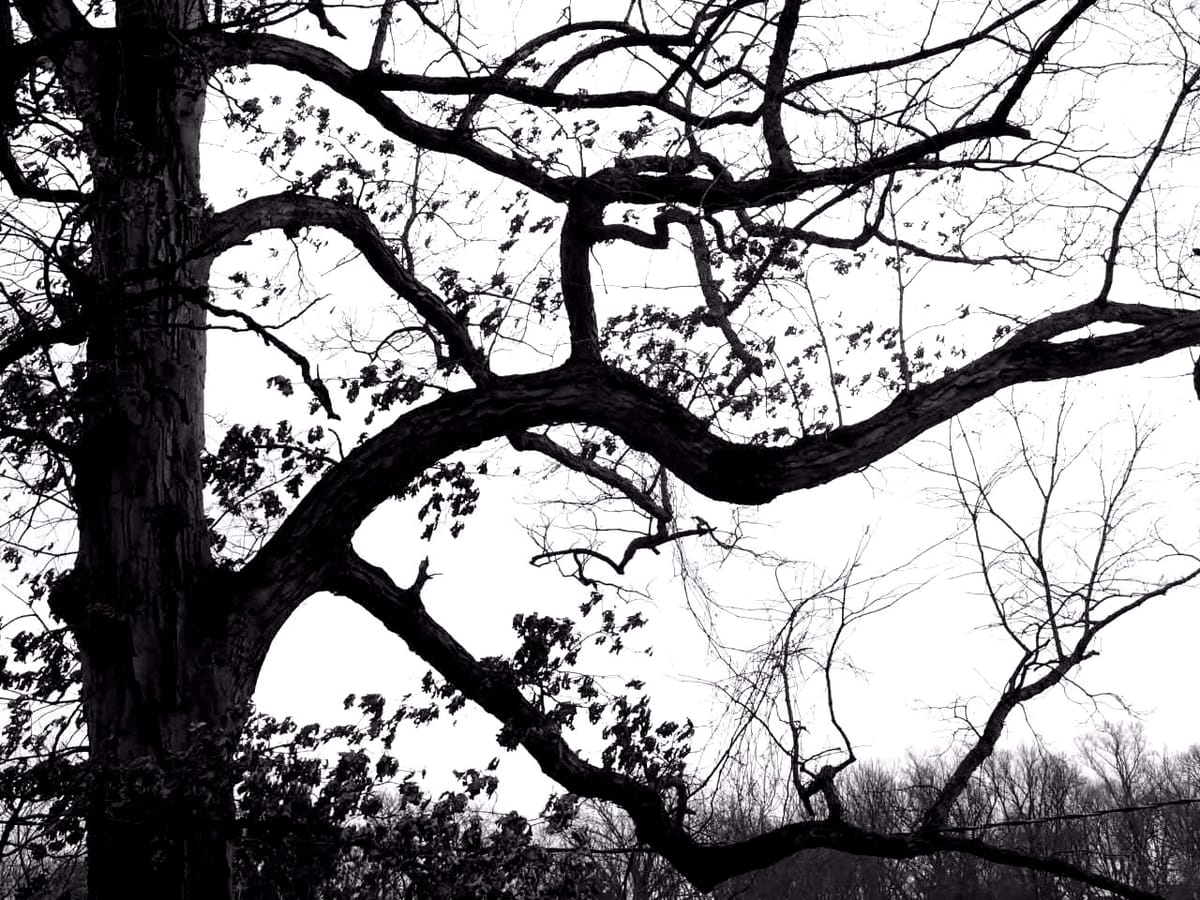
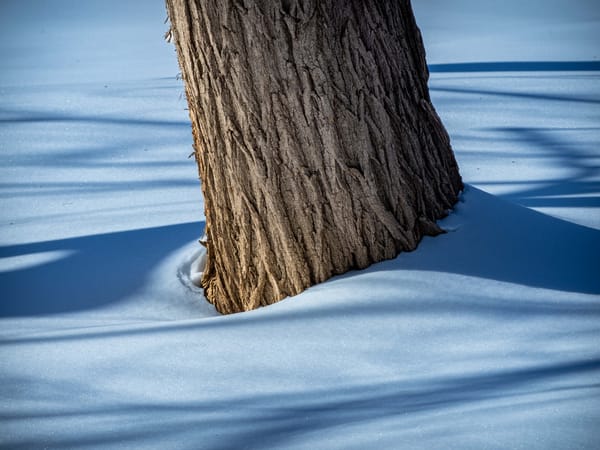
It's January and the cold winter sun traces a meager arc on the southern horizon for less than half a day. I found myself longing for July's overgenerous sun that stands overhead for hours. Even so the long, cold, shadows of winter have their charms, and clouded slate-gray days have a certain grace.
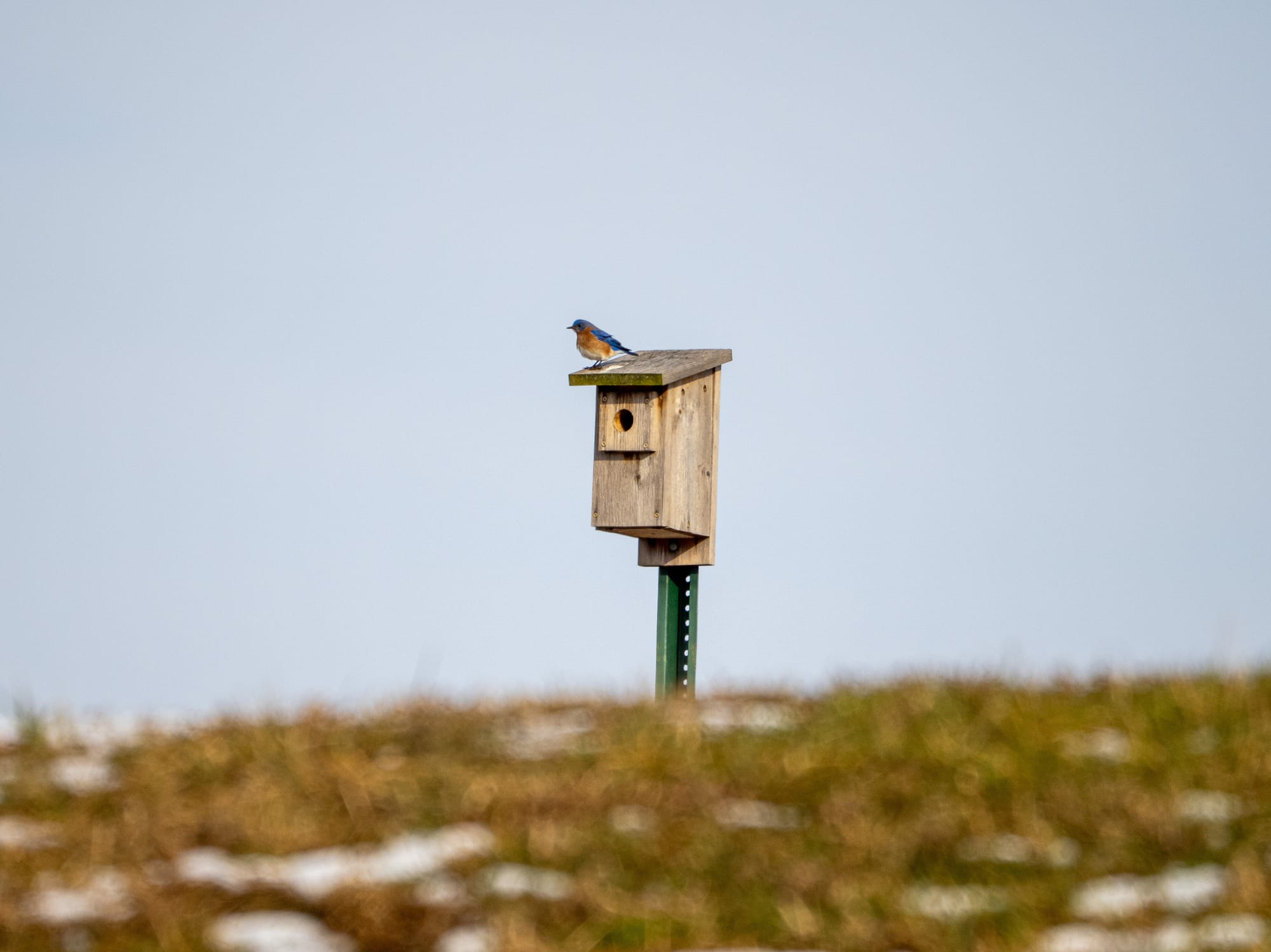
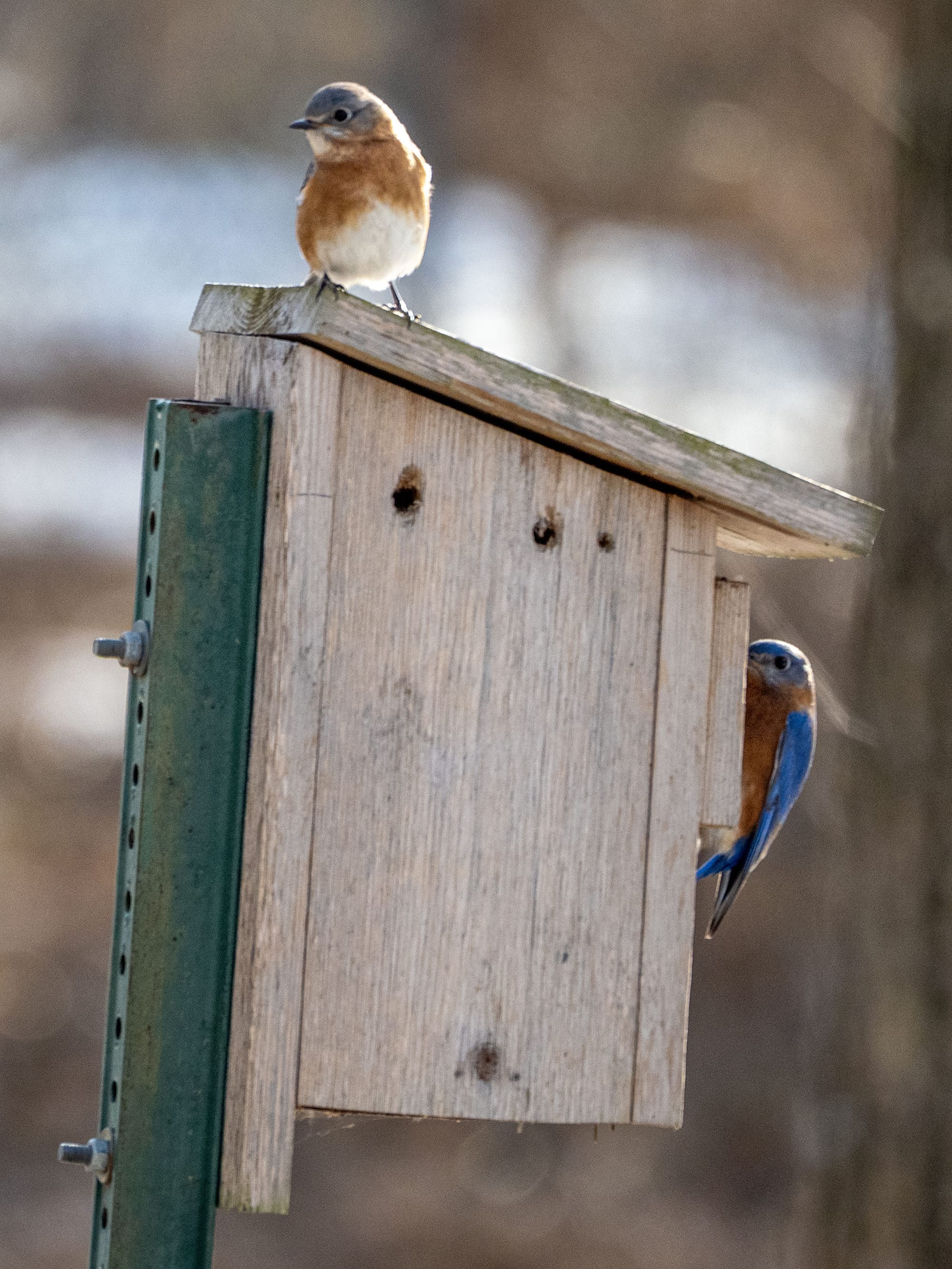
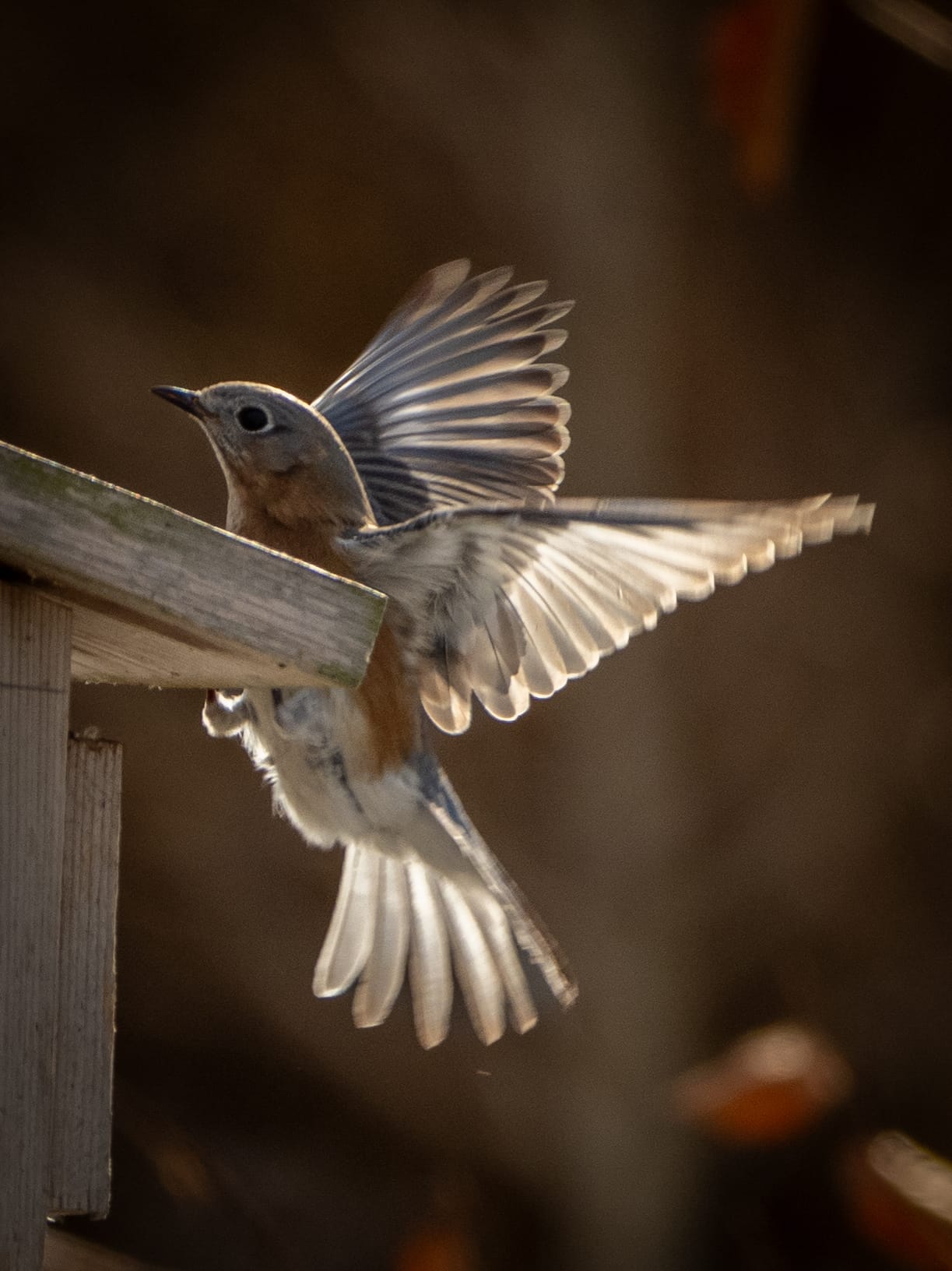
A winter warm spell inspires Bluebirds to start shopping for territories and nesting space weeks before they'll settle into their spring and summer routines.
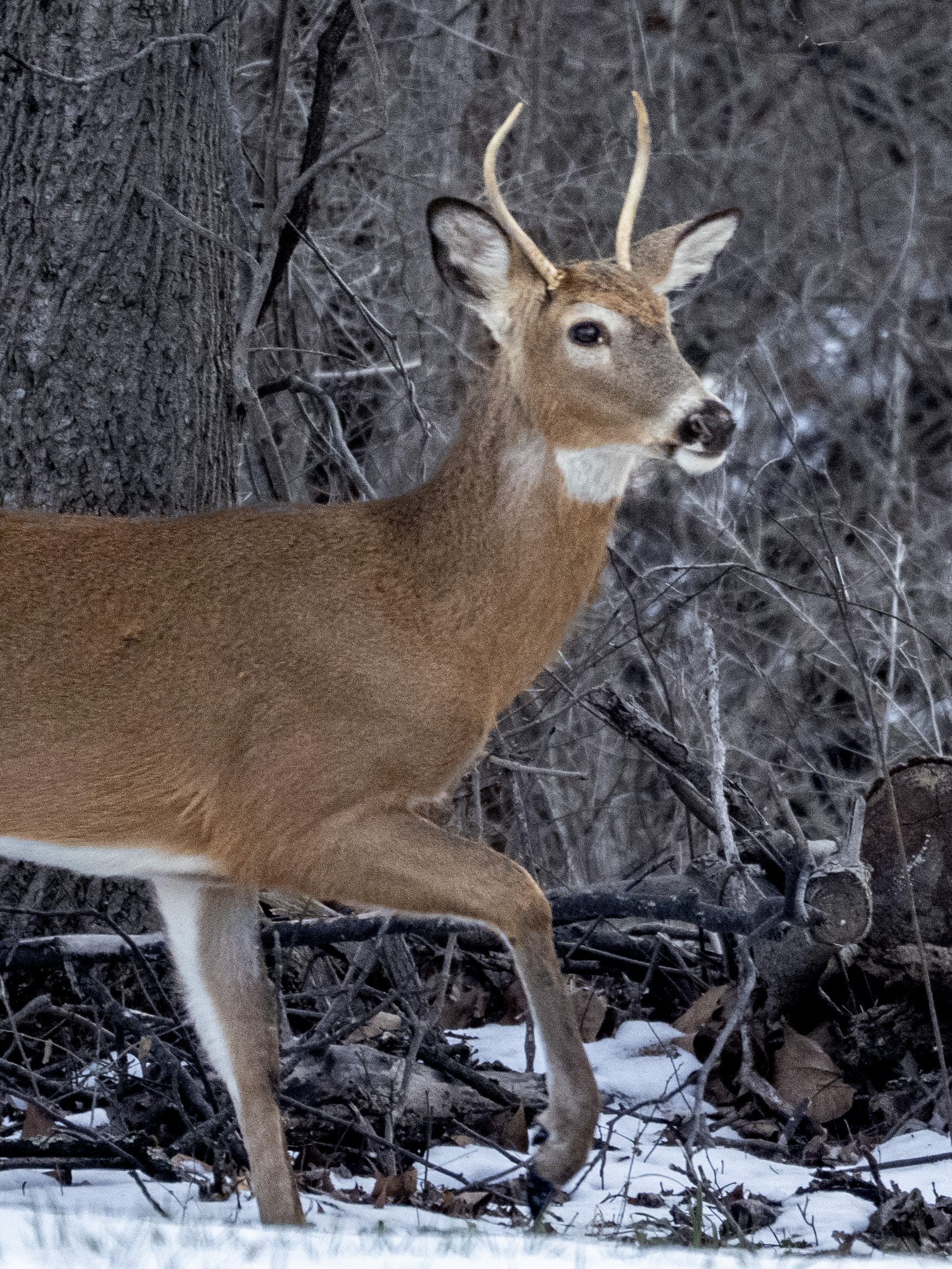
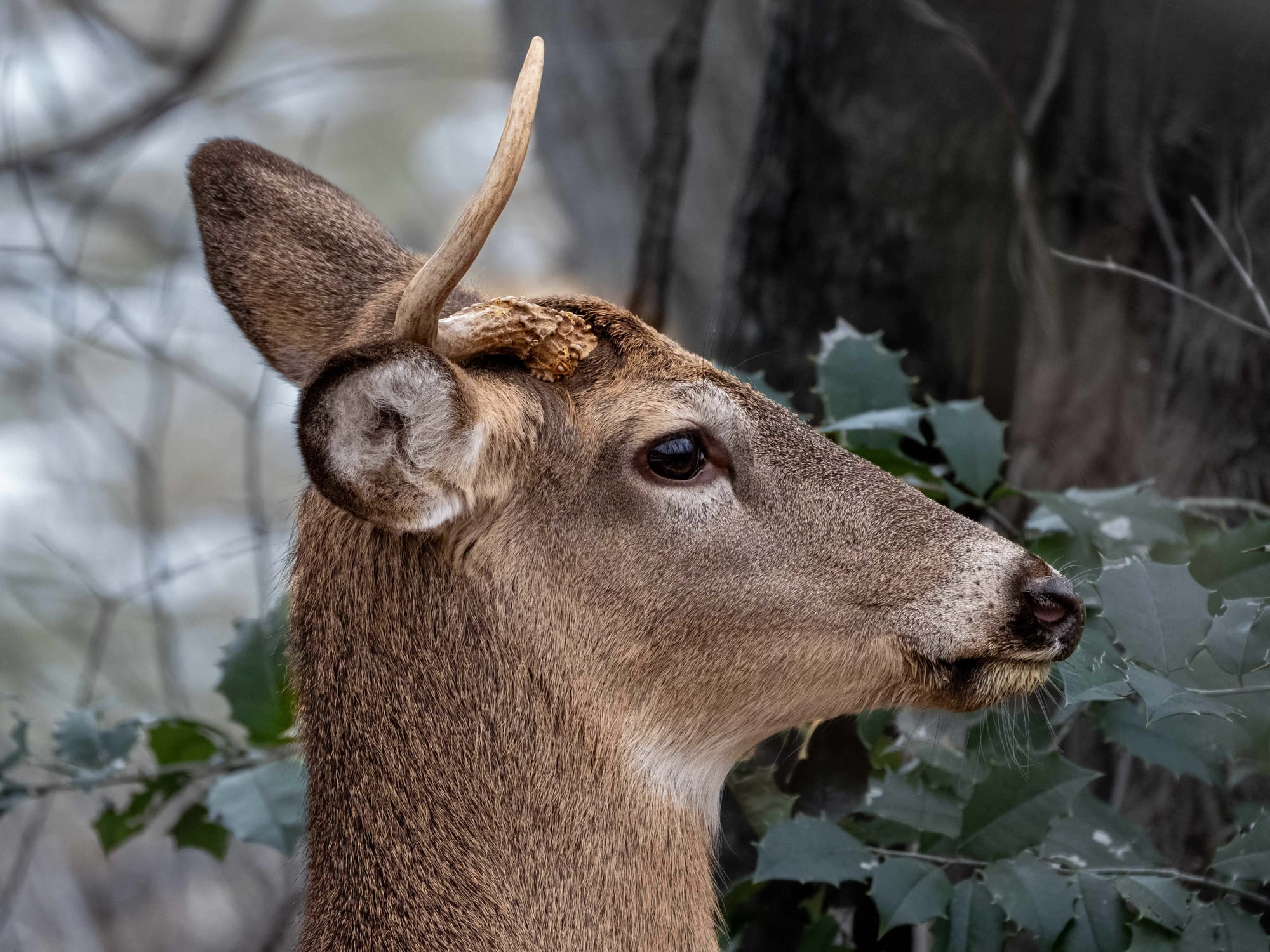
The antlers on these white-tailed deer bucks began growing last summer covered with velvet that was scraped off in the late fall's breeding season. By this time of year the antlers have served their purpose and will be shed, one down and one to go for our second buck pictured above.
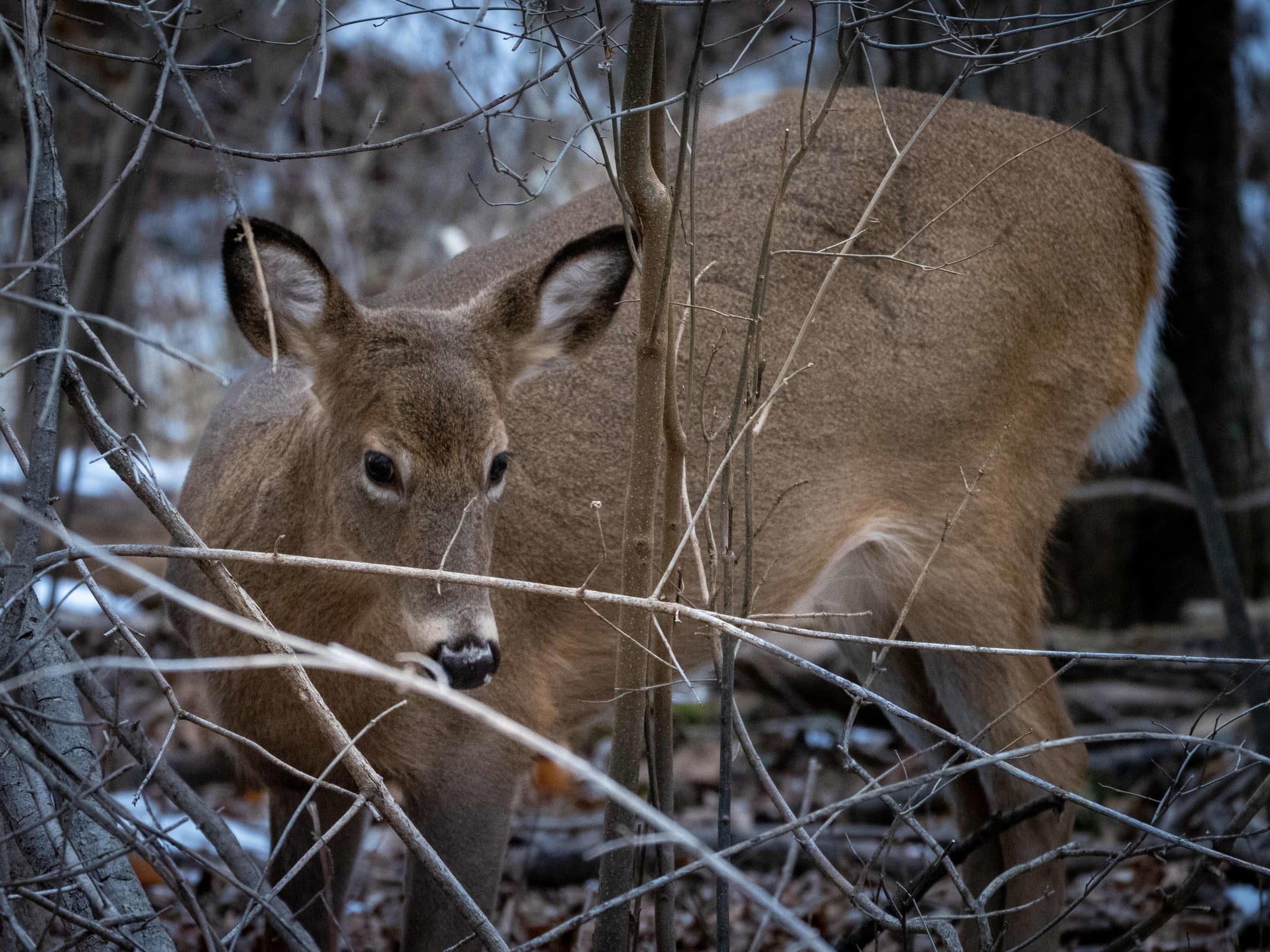
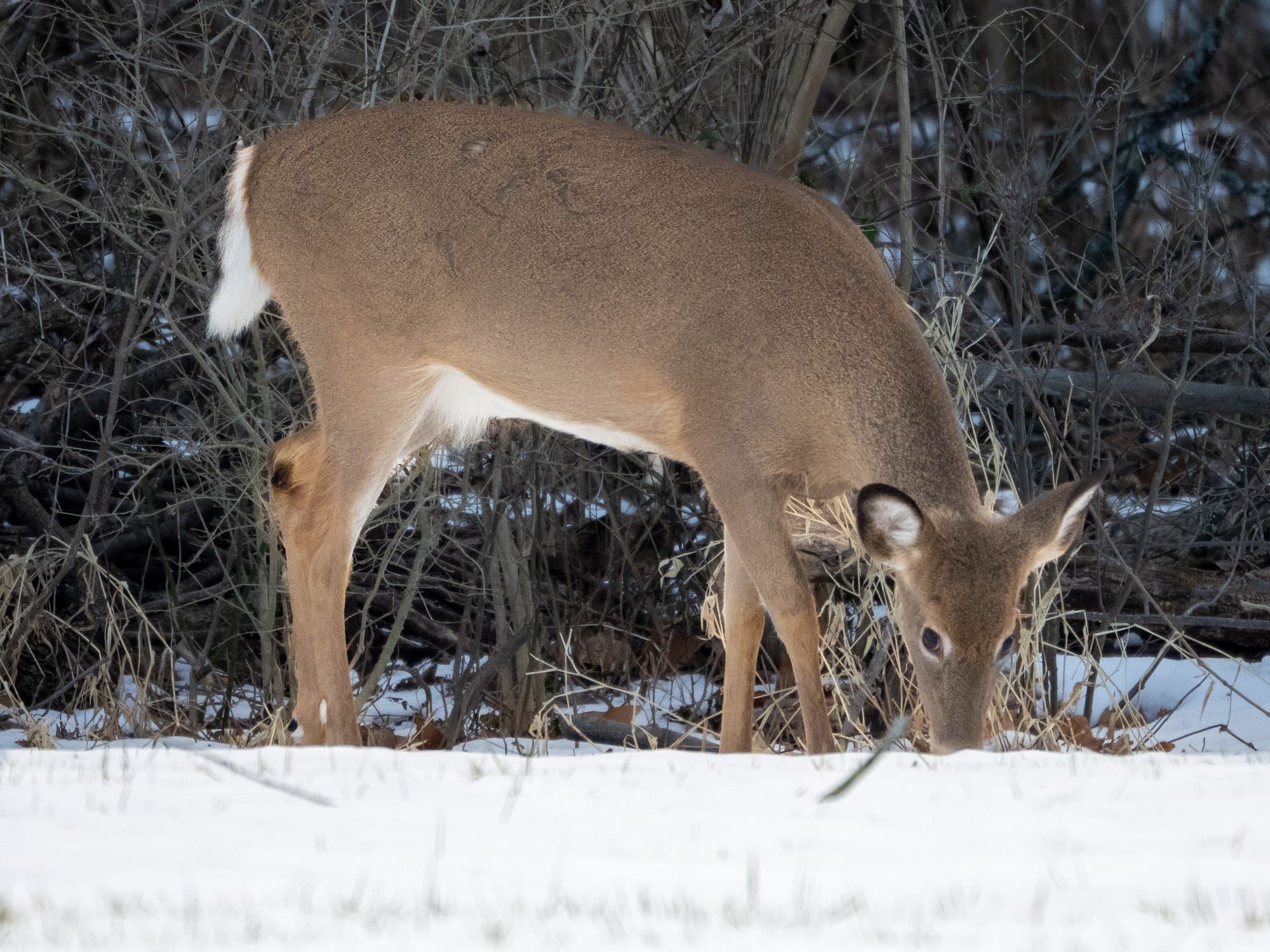
It is highly likely that each of these does has been carrying fawns since November. Deer fetuses develop slowly during mid-winter. The doe’s resources shift toward preparing the fawn for spring as days lengthen. The sun moving north in the sky is a reliable sign that winter is ending and spring forage will soon be abundant, but it is the increasing light itself—not the forage—that initiates this change In the does.
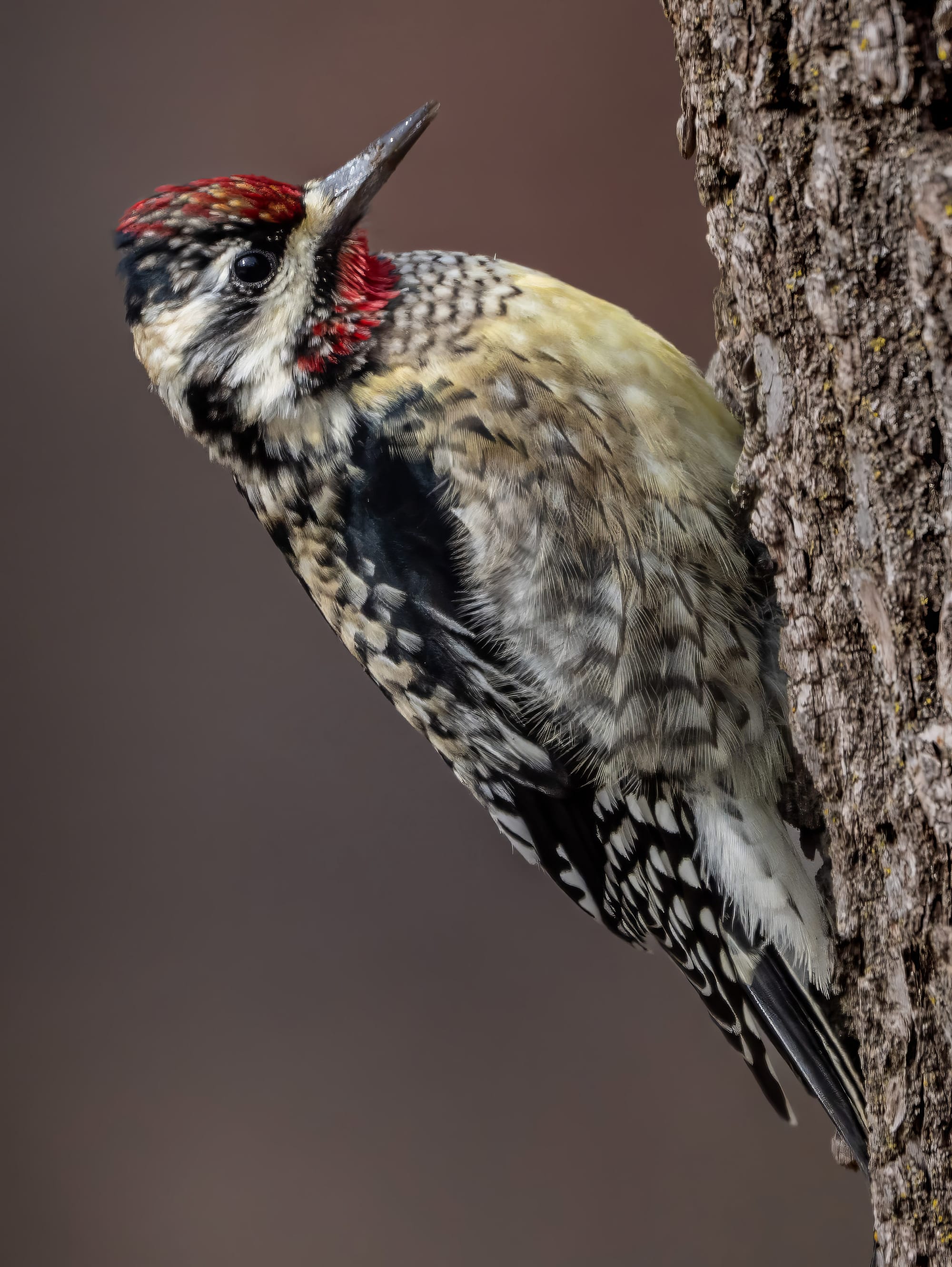
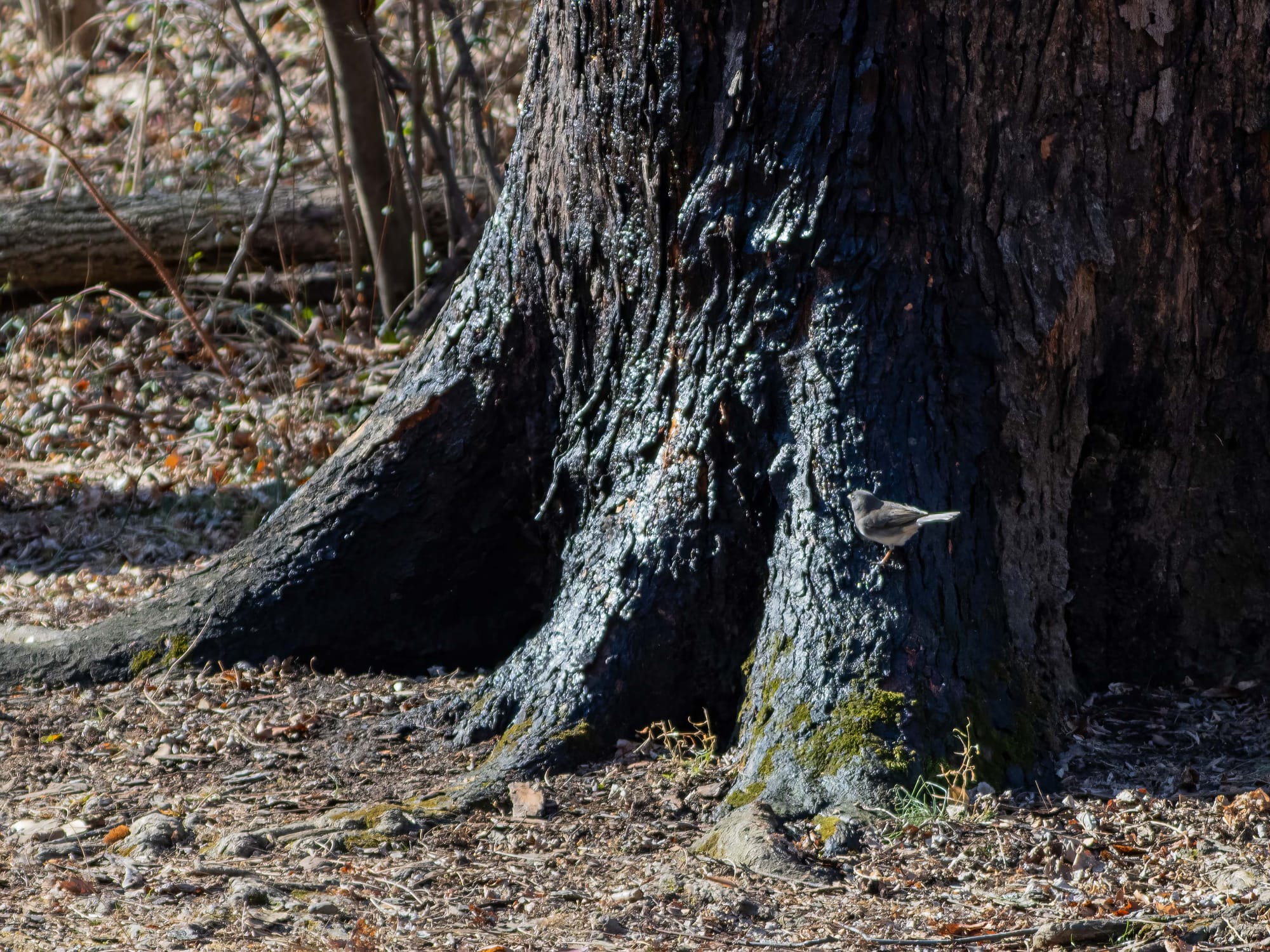
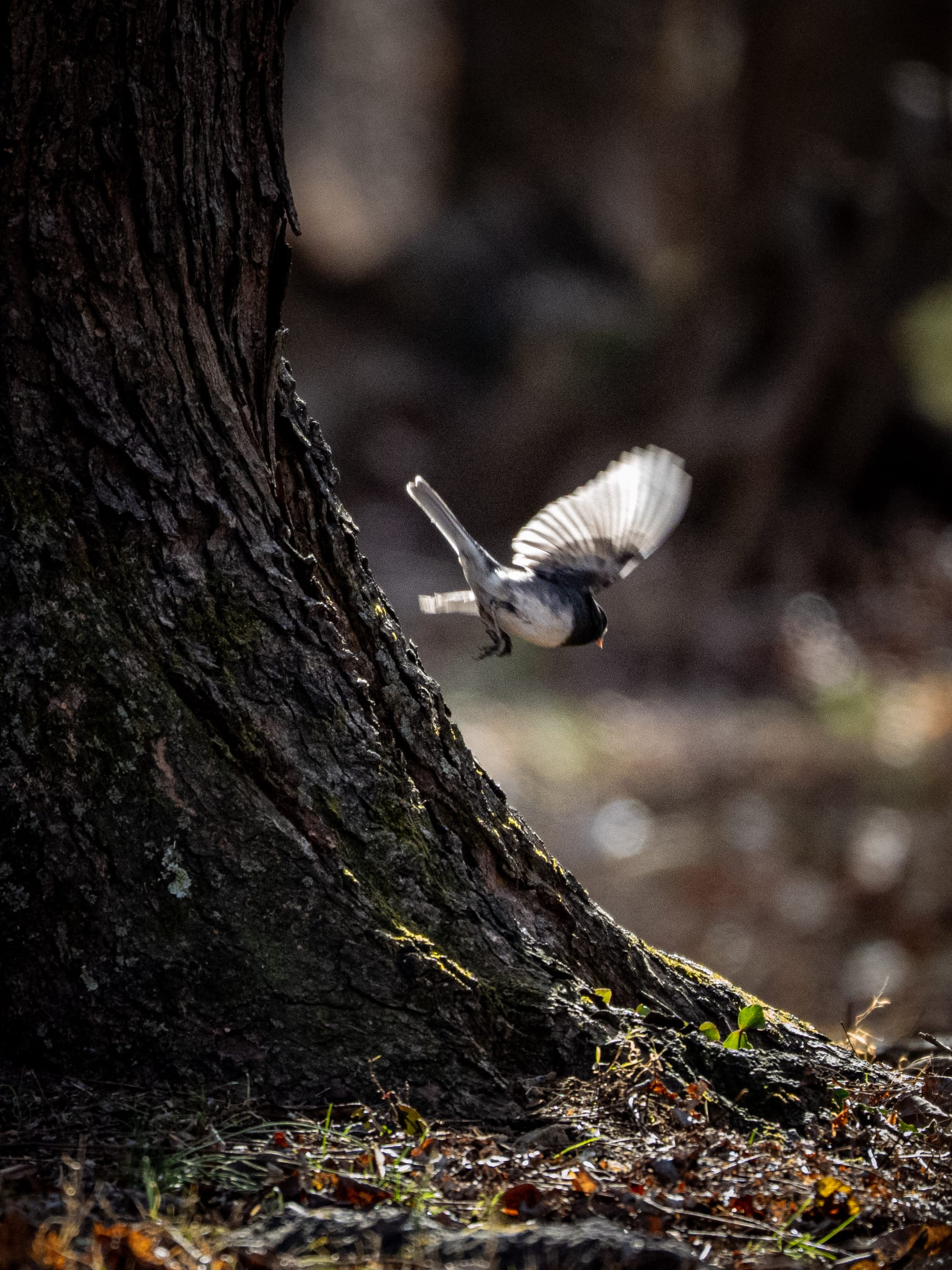
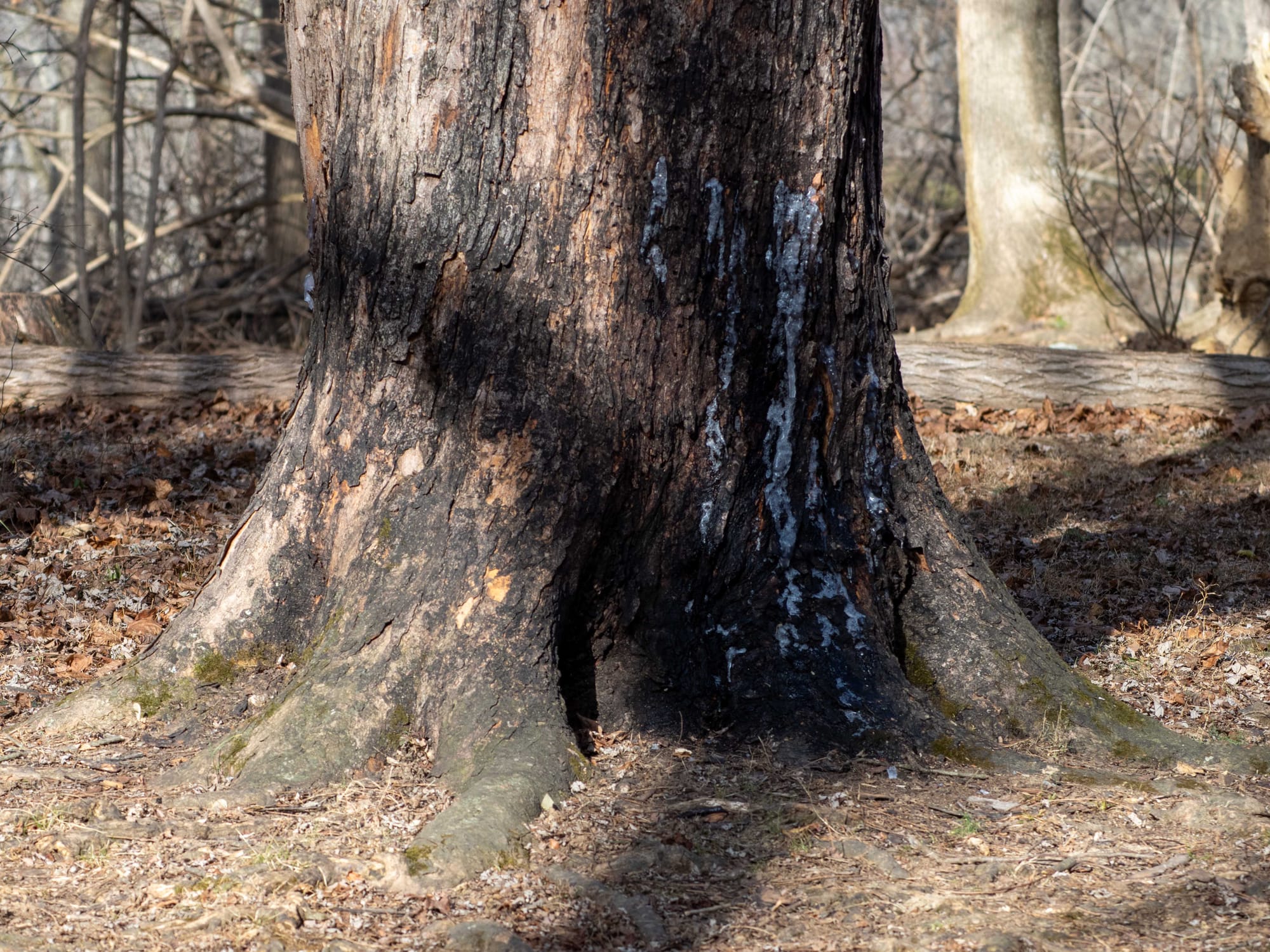
I've kept an eye out for Yellow-bellied Sapsuckers; when I heard one calling the other day they were kind enough to pose for me. I more often see their work (like the sap wells in this maple tree). The ever-present Dark-eyed Juncos are avid sap-sippers on warm days, but the sap wells have been frozen of late.
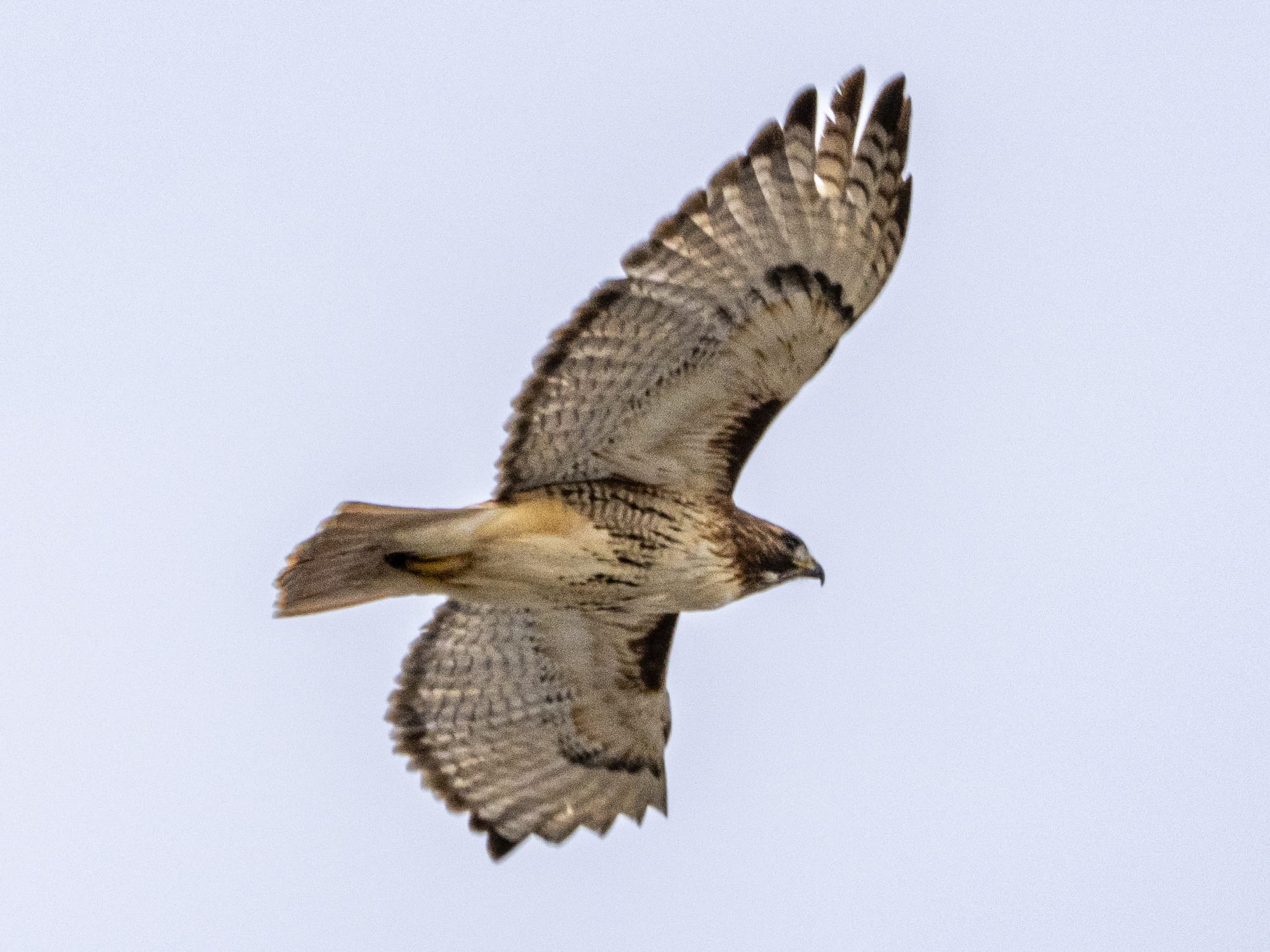
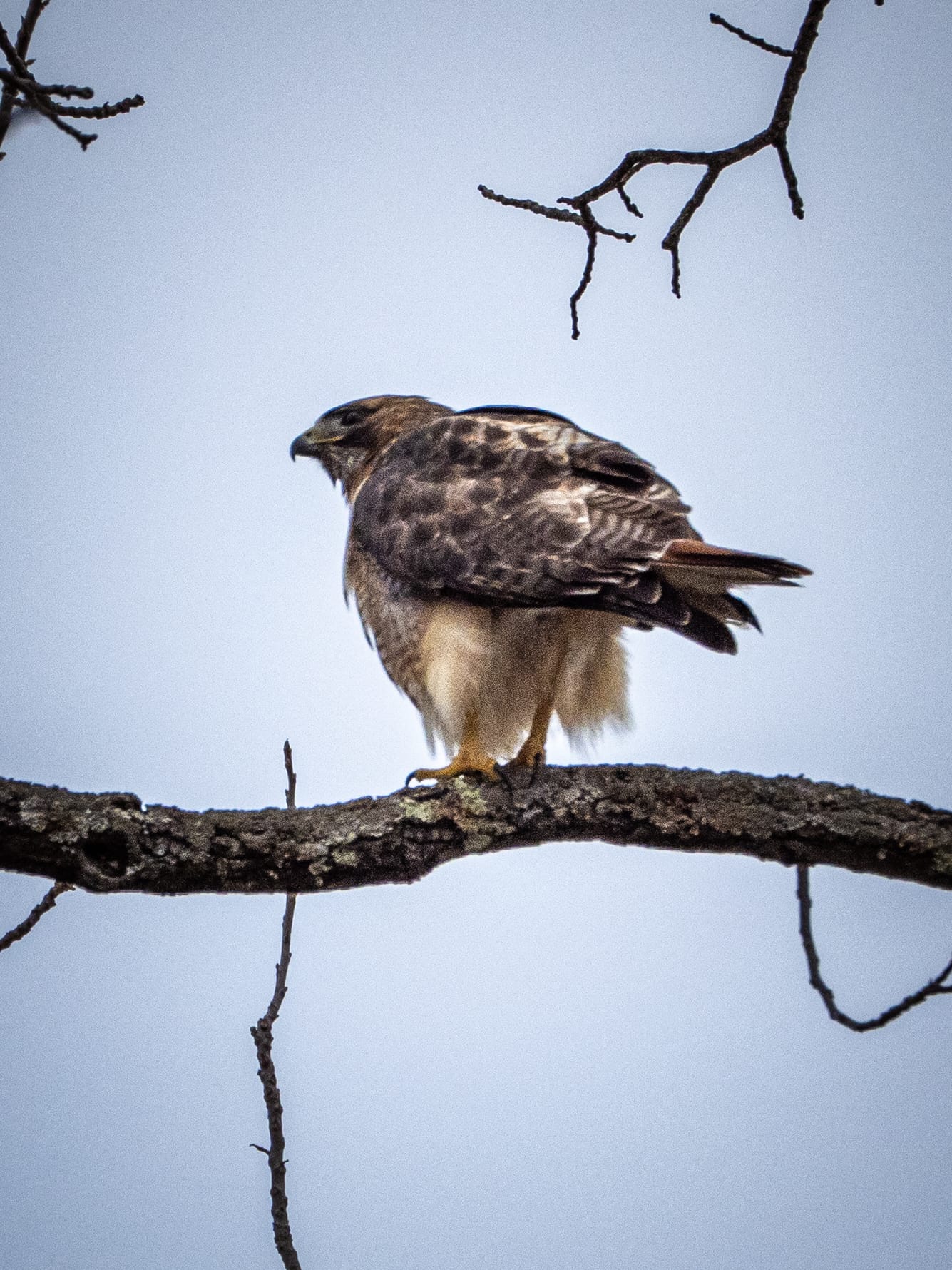
This Red-tailed Hawk was on the lookout a few days ago.
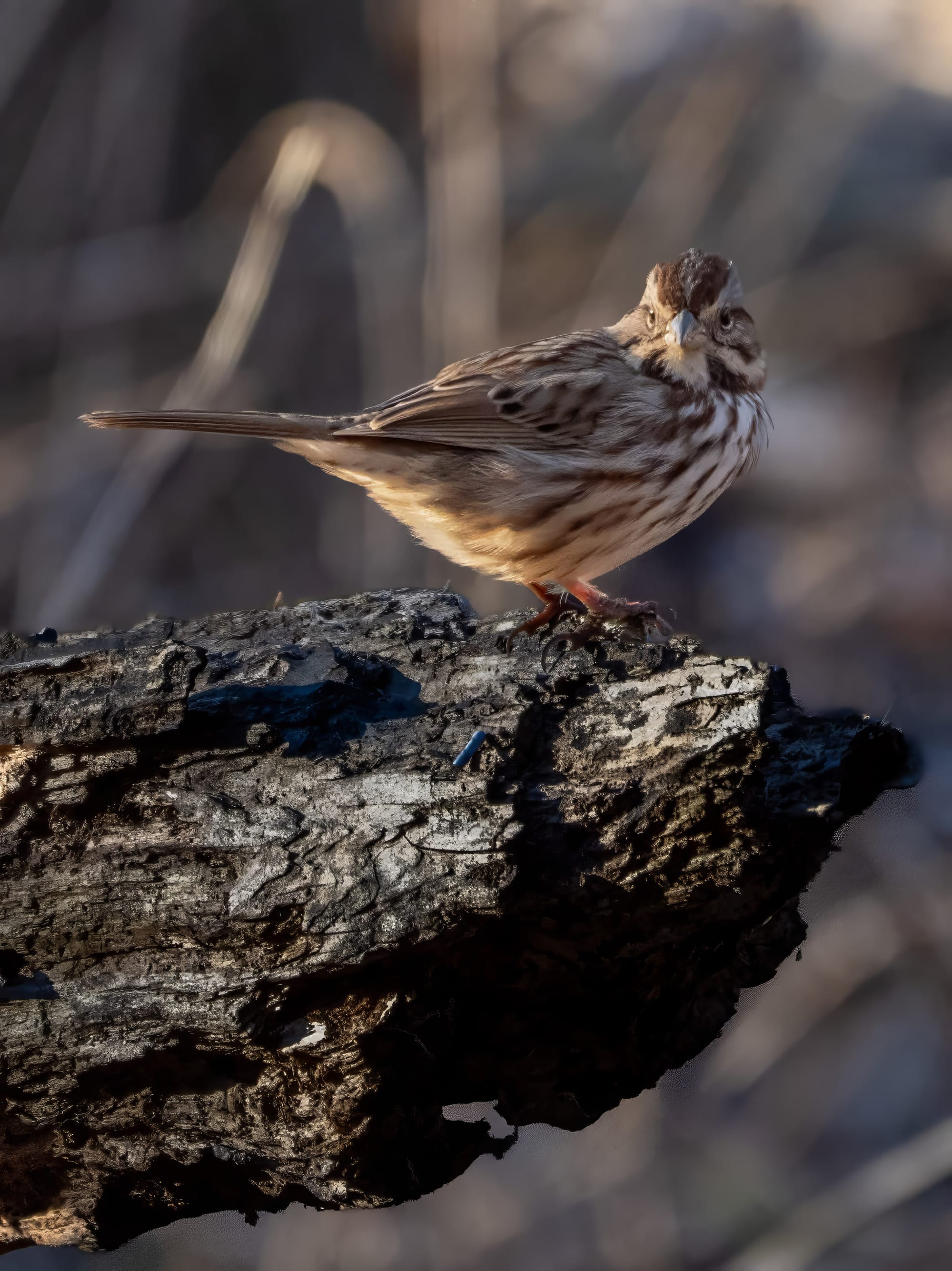
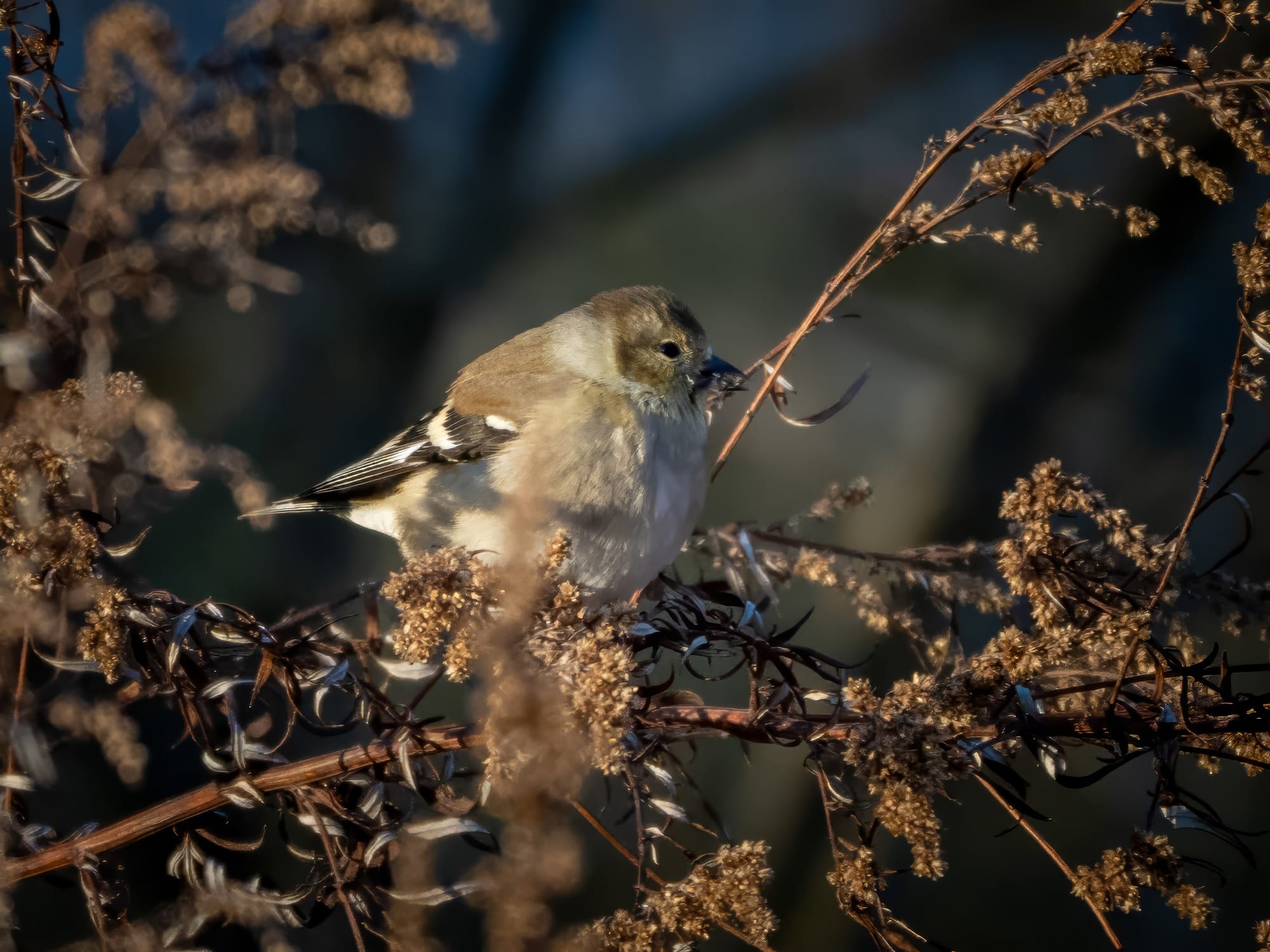
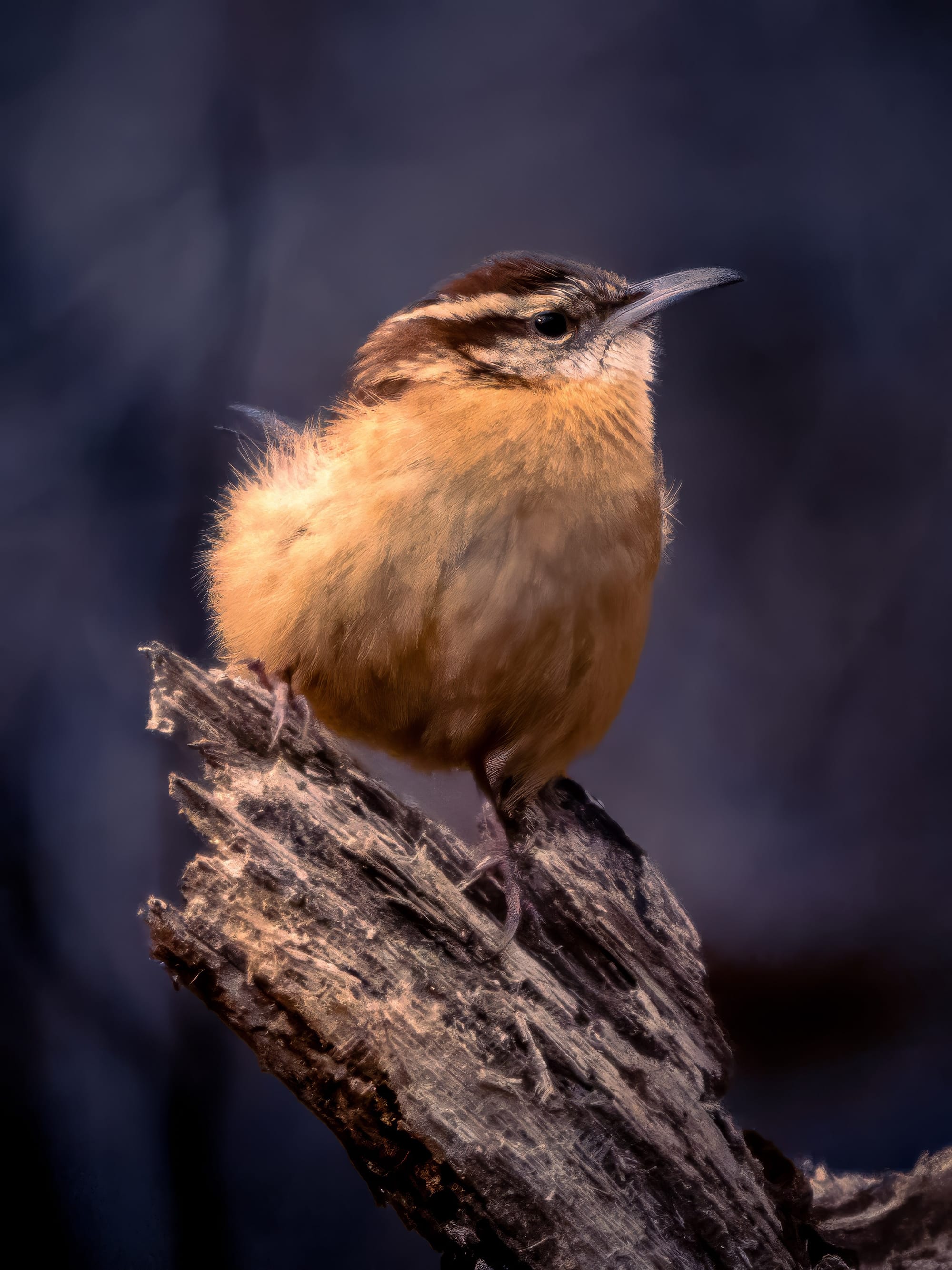
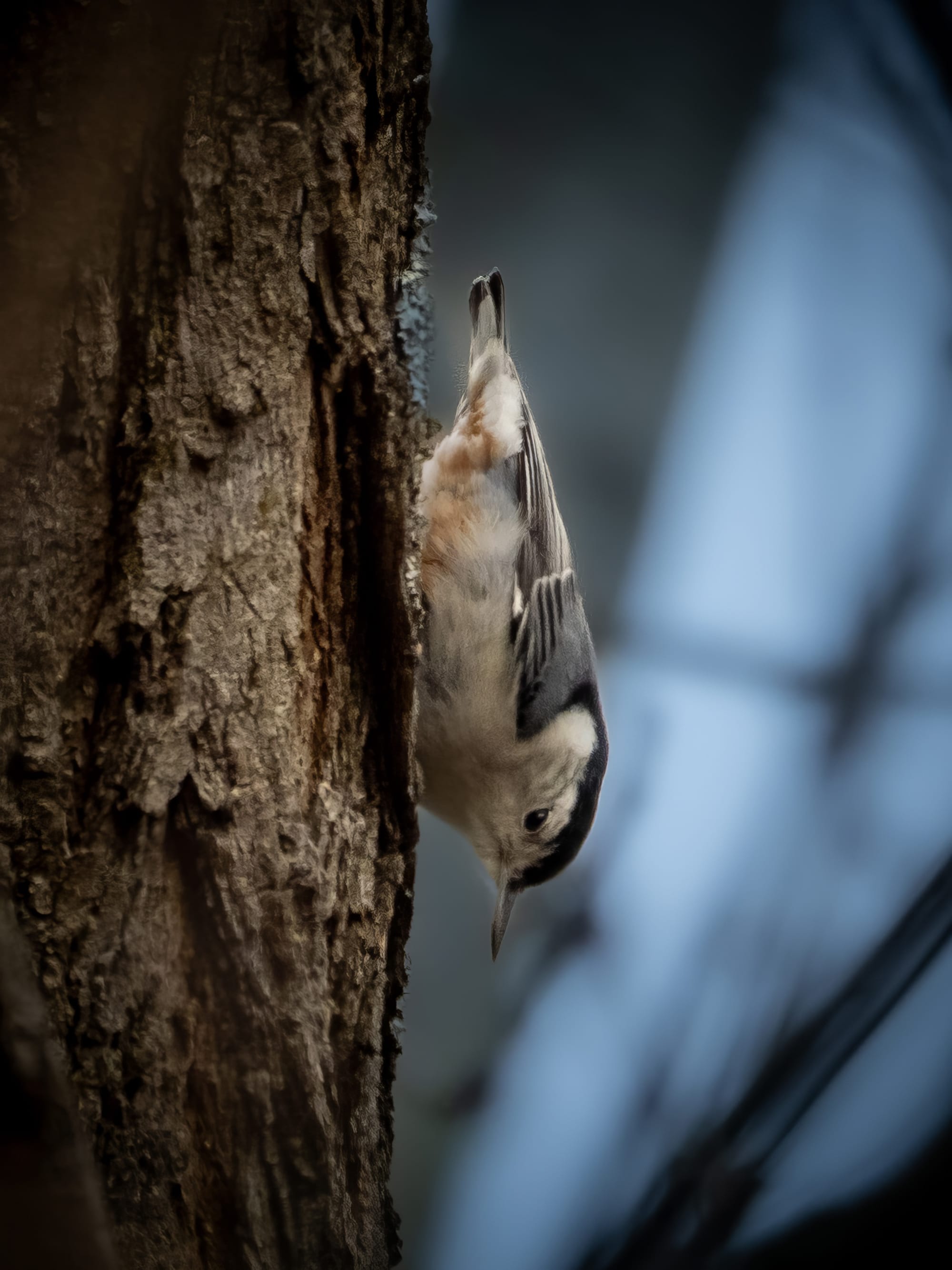
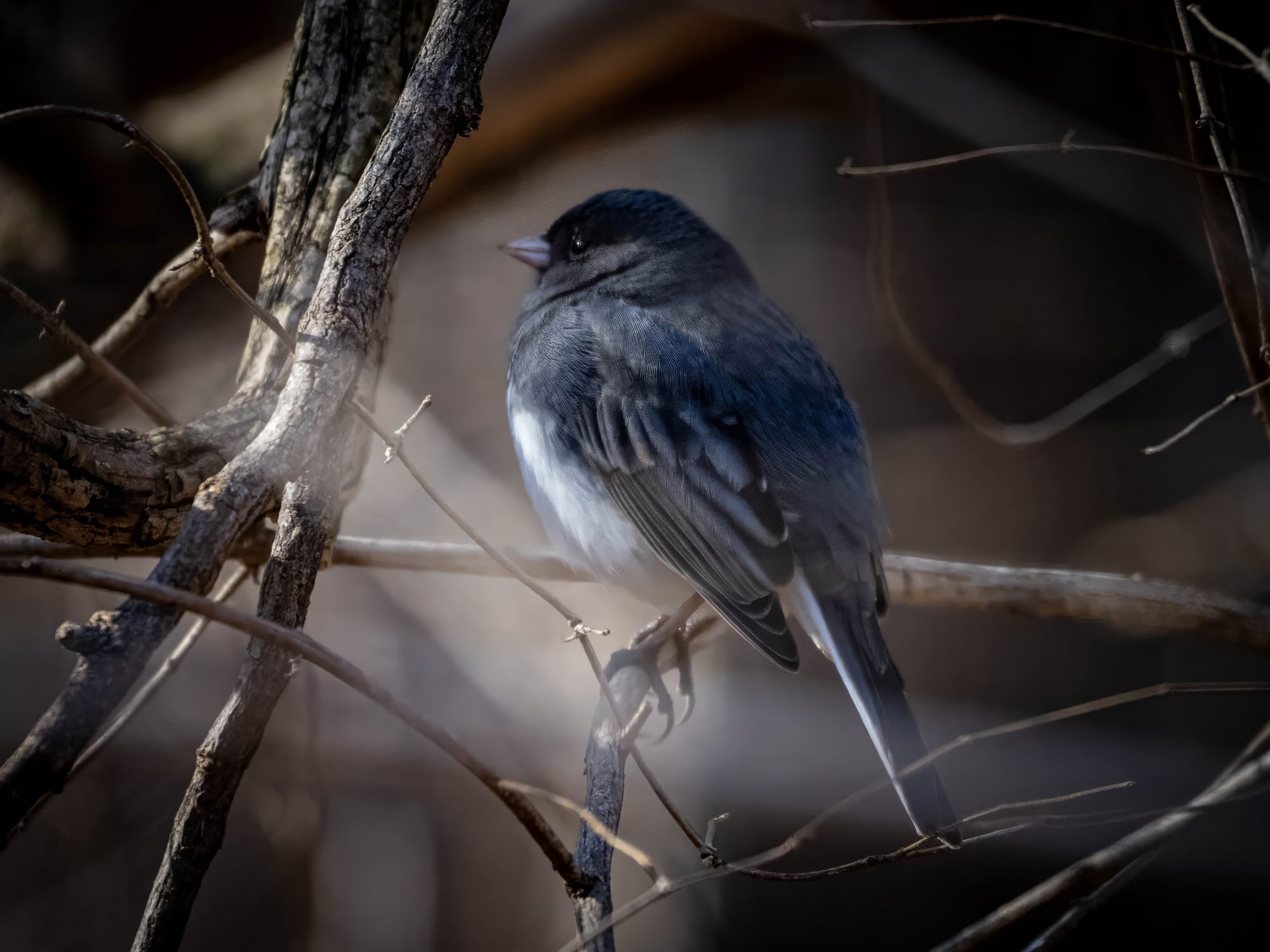
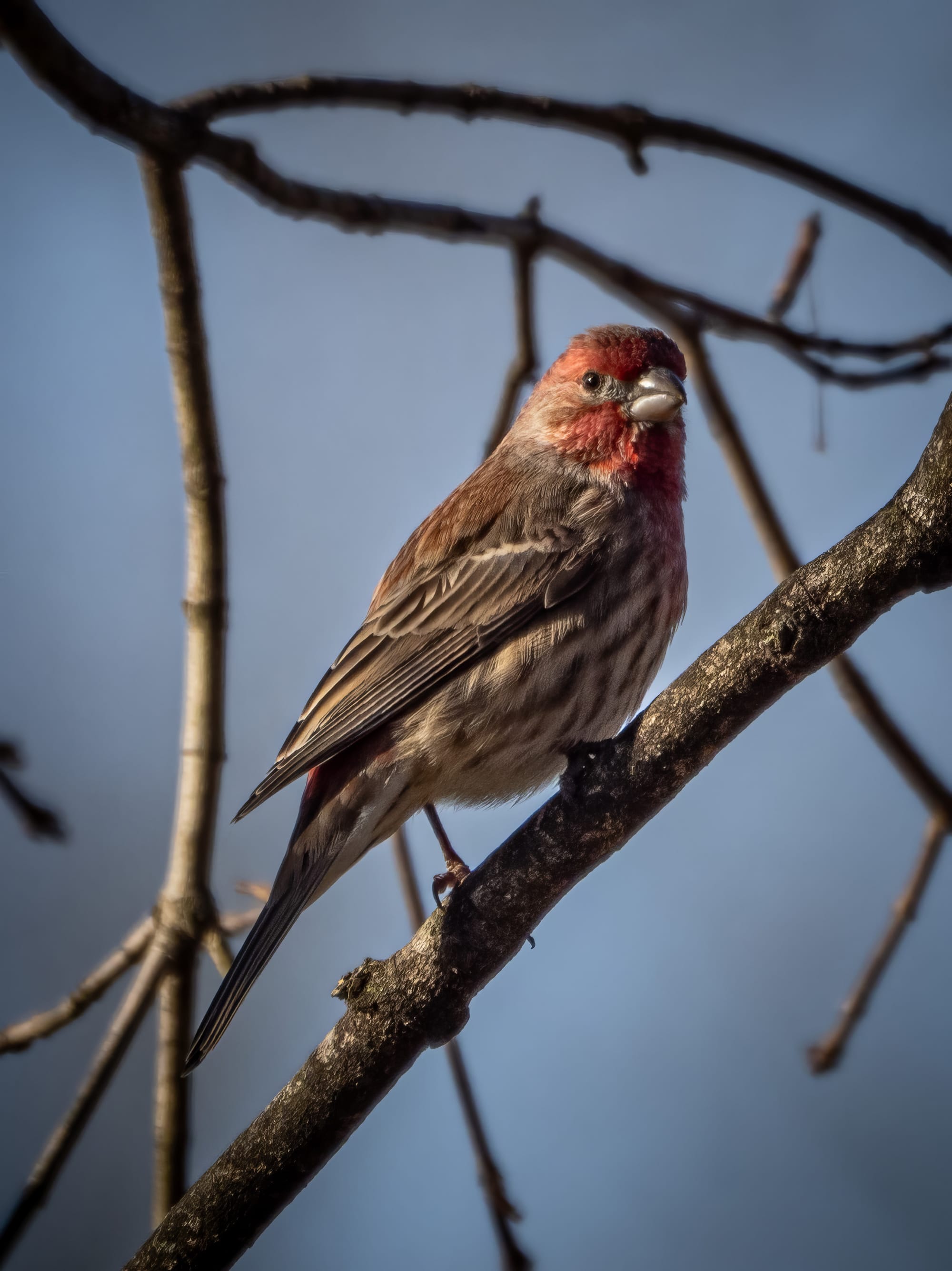
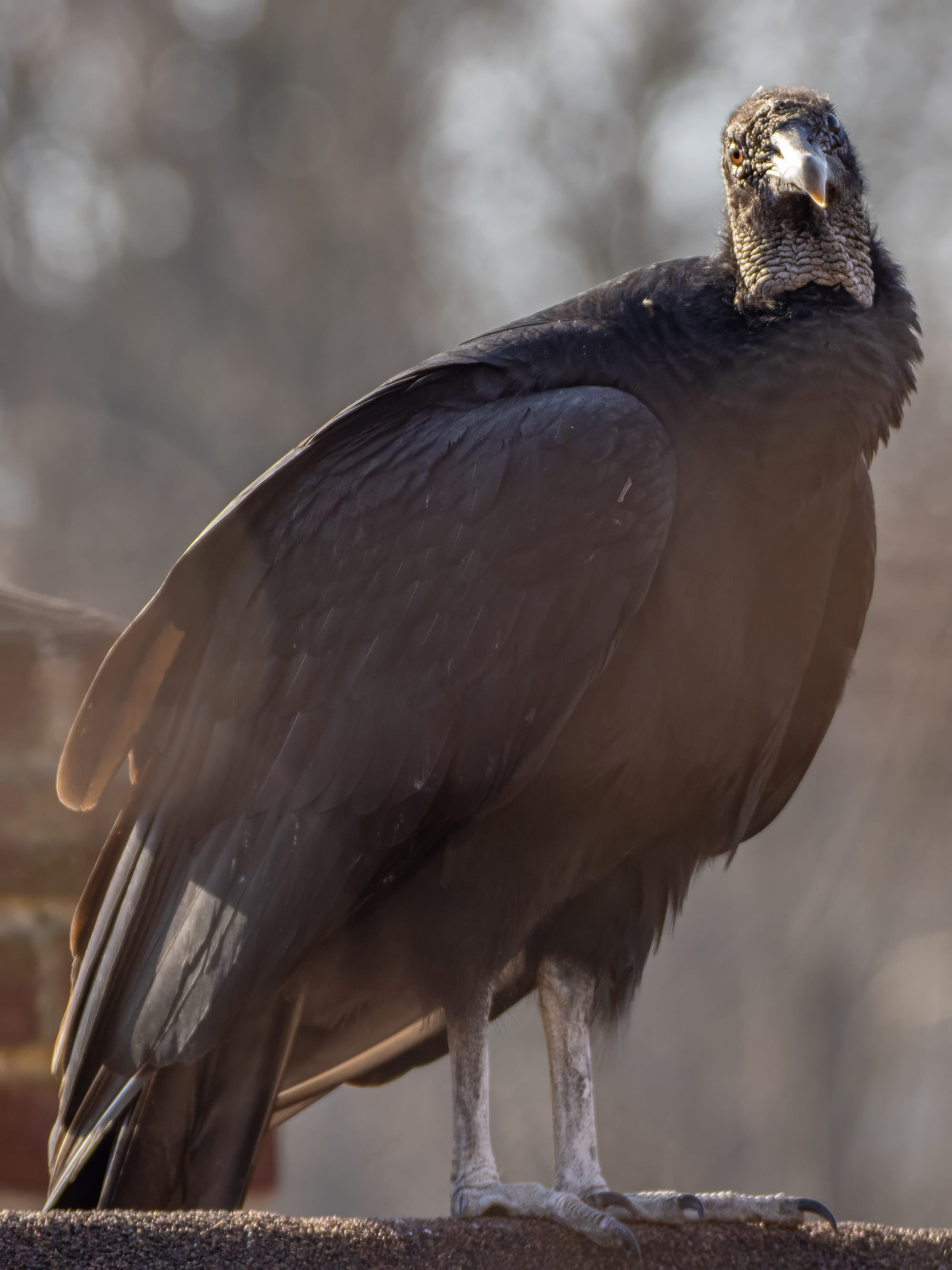
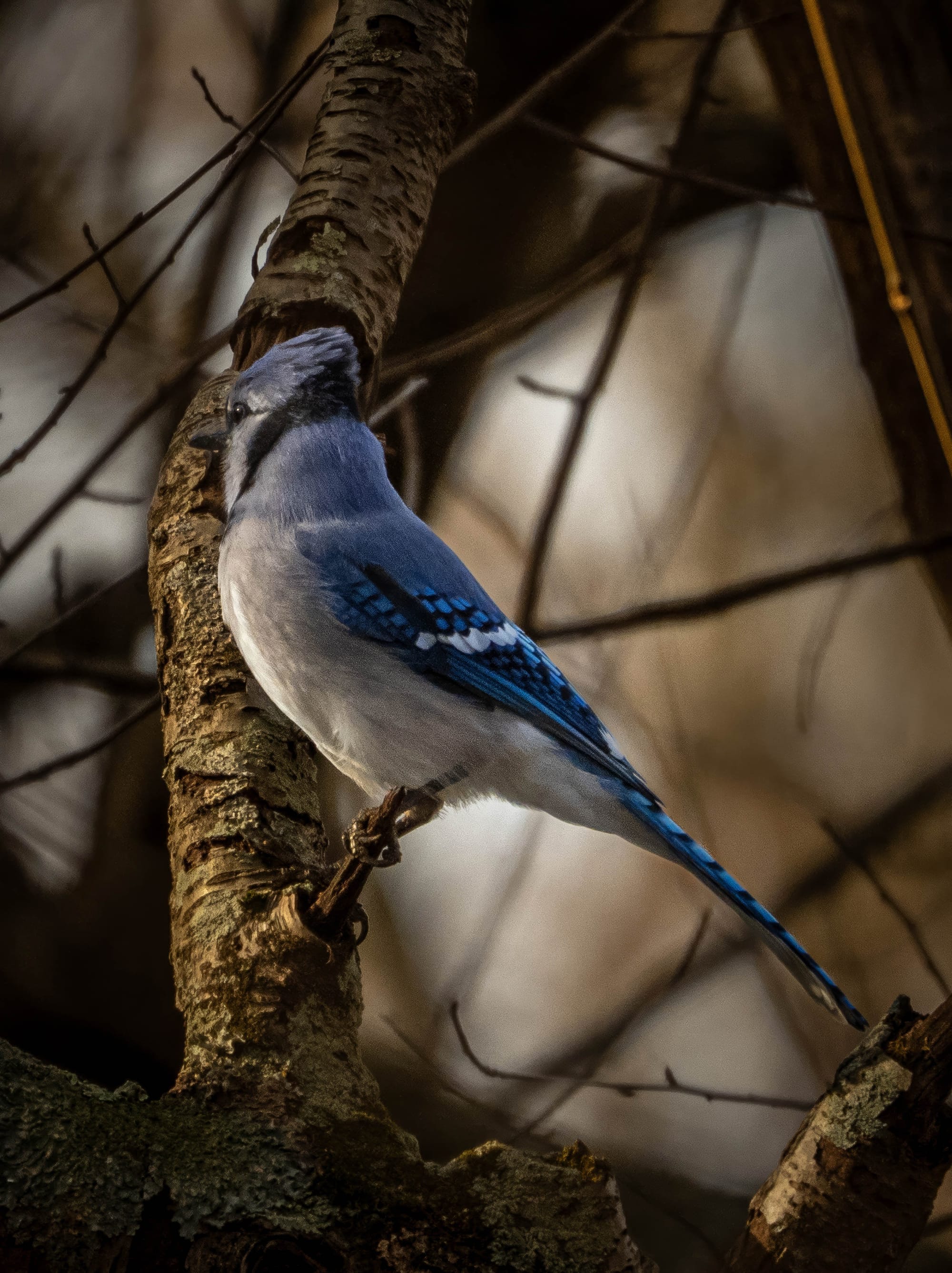
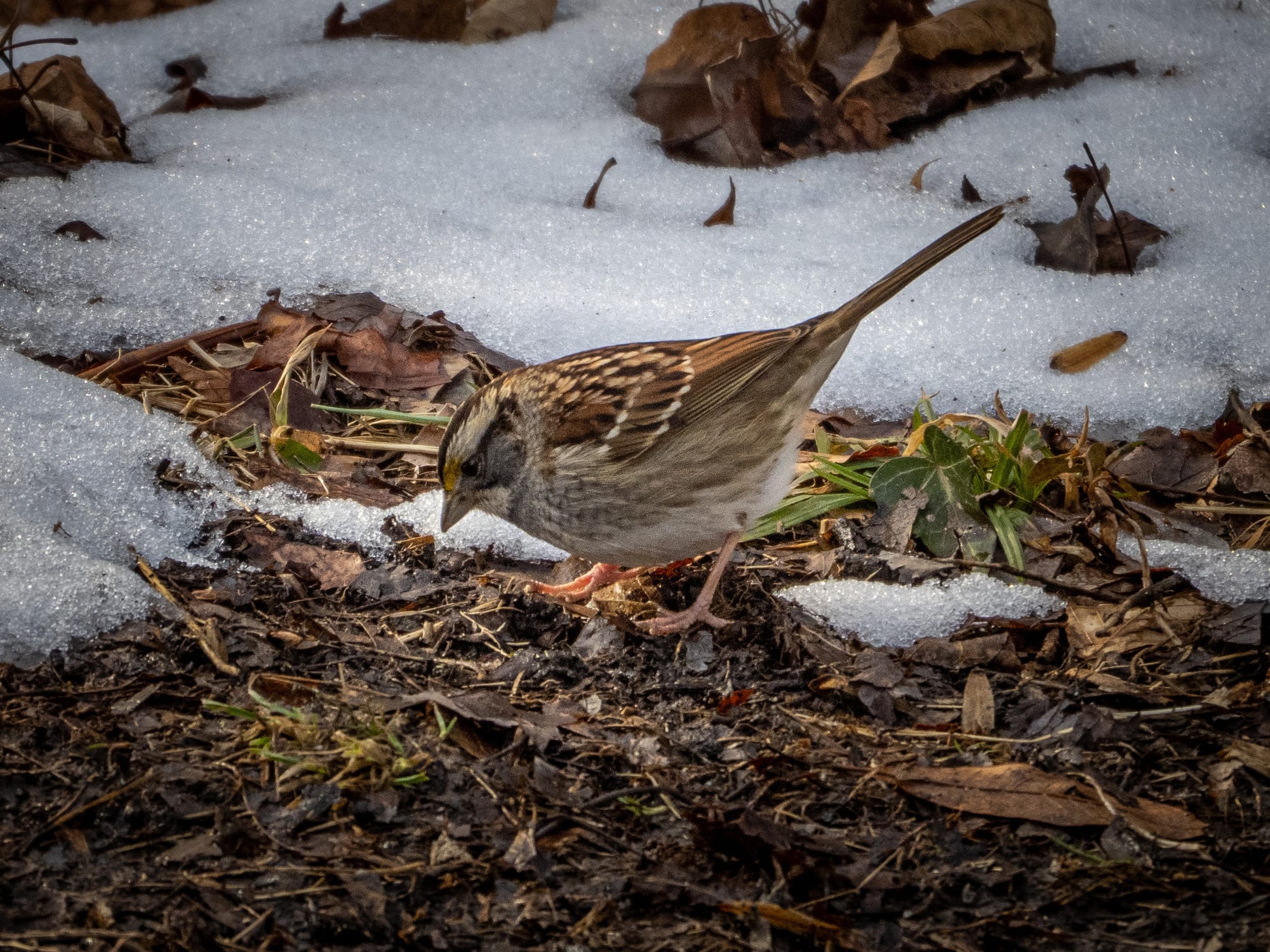
Song Sparrow, Goldfinch, Carolina Wren, Nuthatch, Dark-eyed Junco, House Finch, Black Vulture, Bluejay, and White-throated Sparrow.
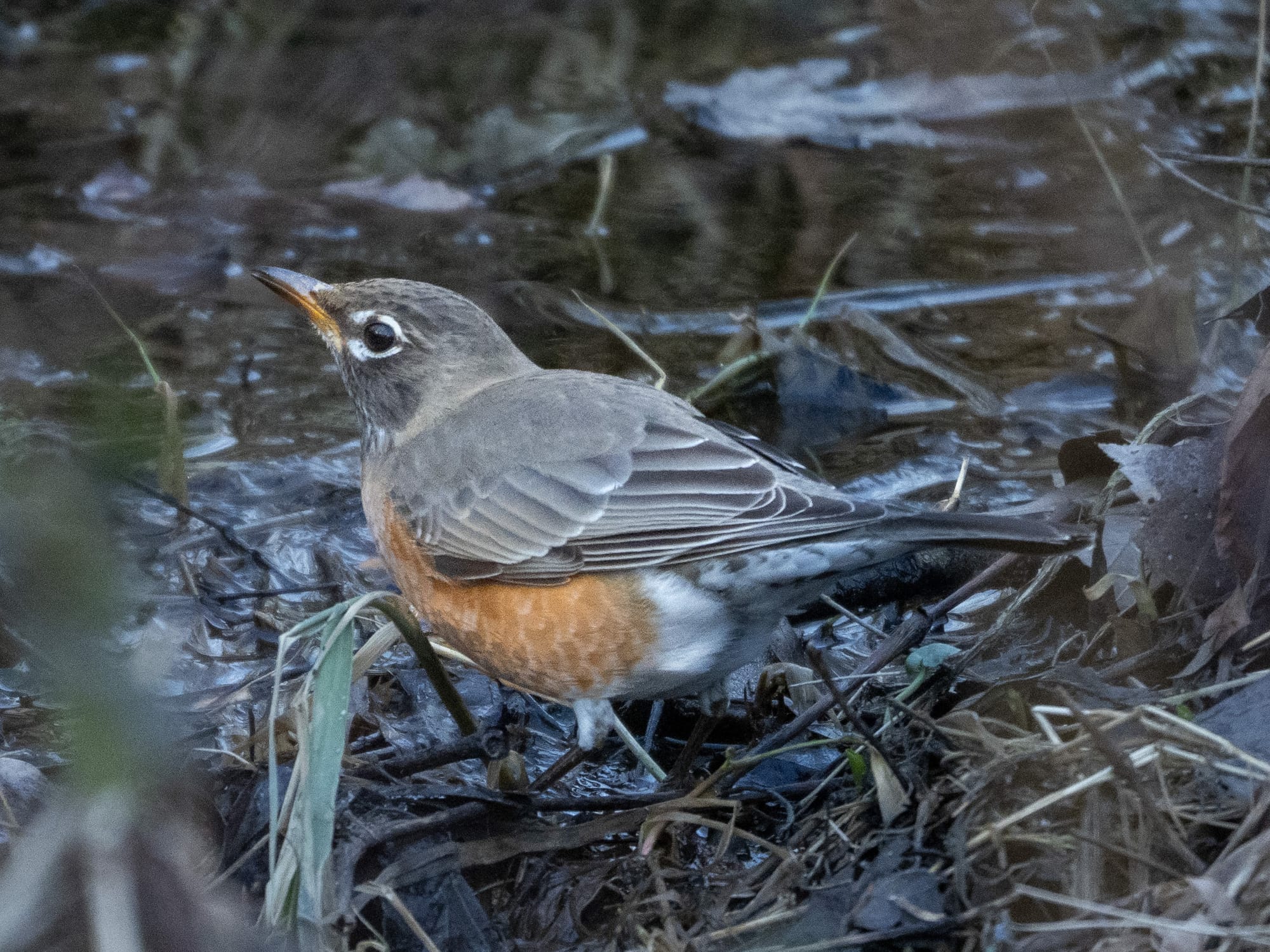
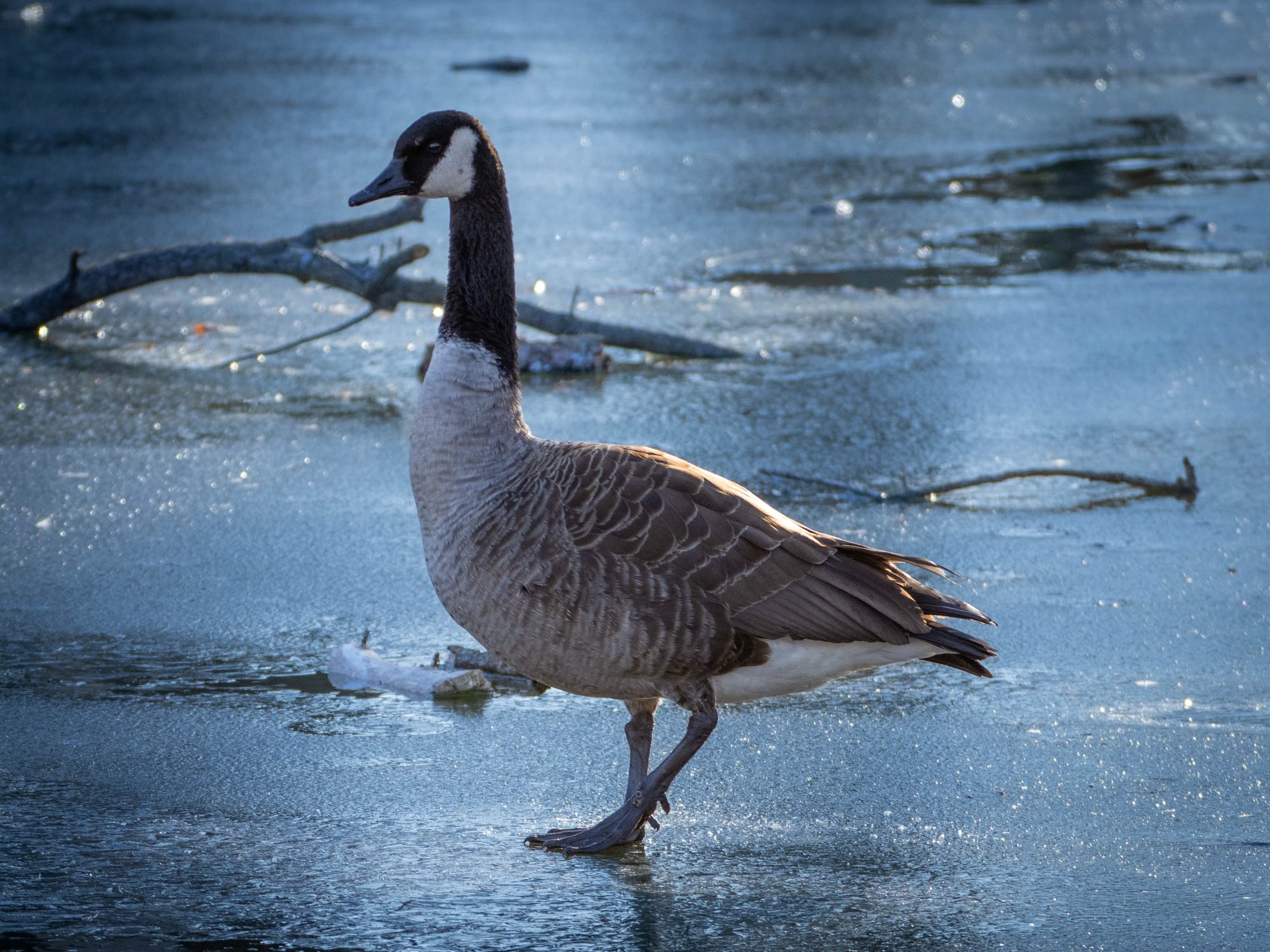
I've seen the Robins flocking together several times over the past few weeks, this one was one of several who found a quiet spot on the creek for a drink. The nearly ever-present Canada Geese usually take off for parts unknown when Ice covers the ponds.
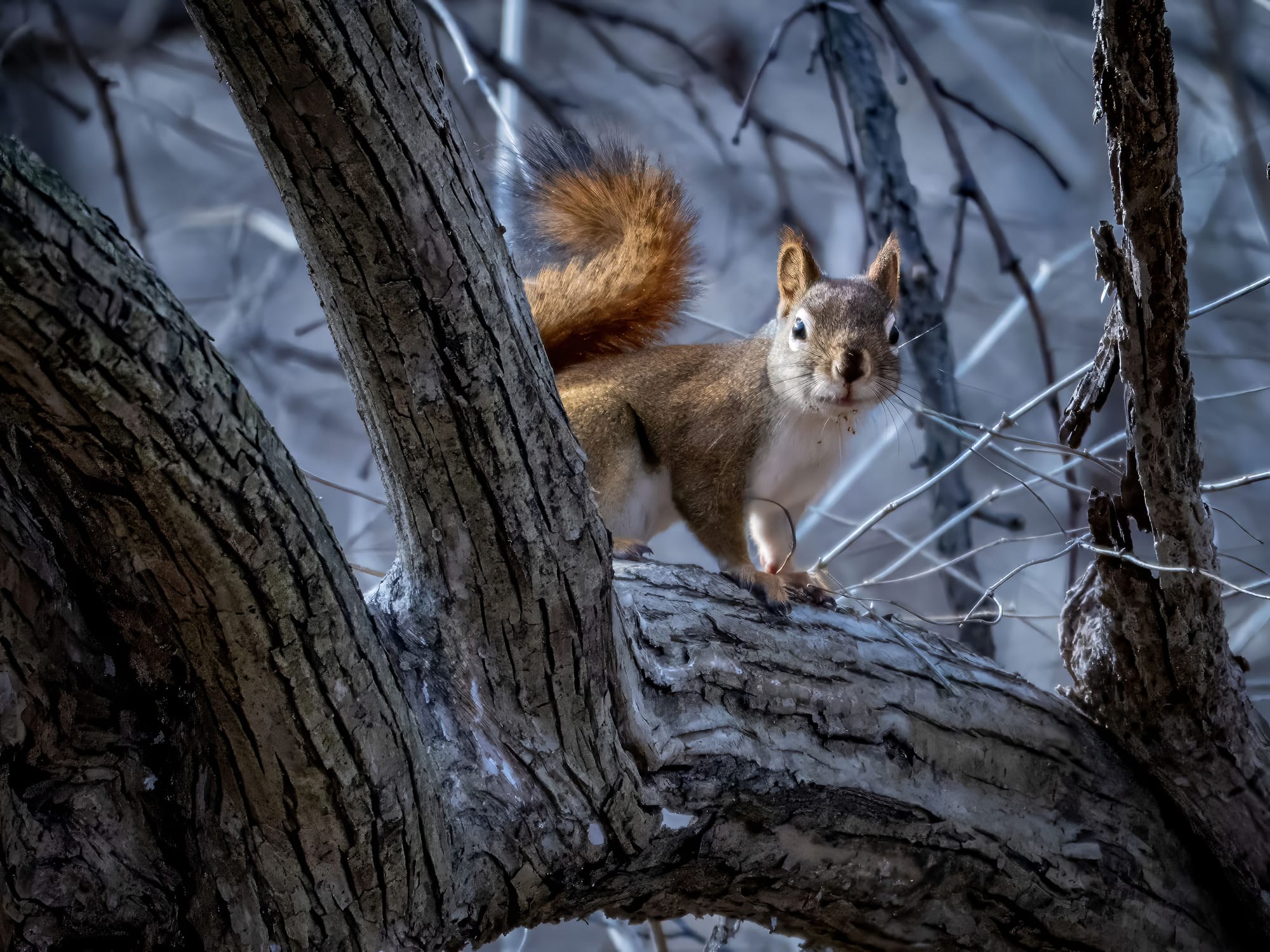
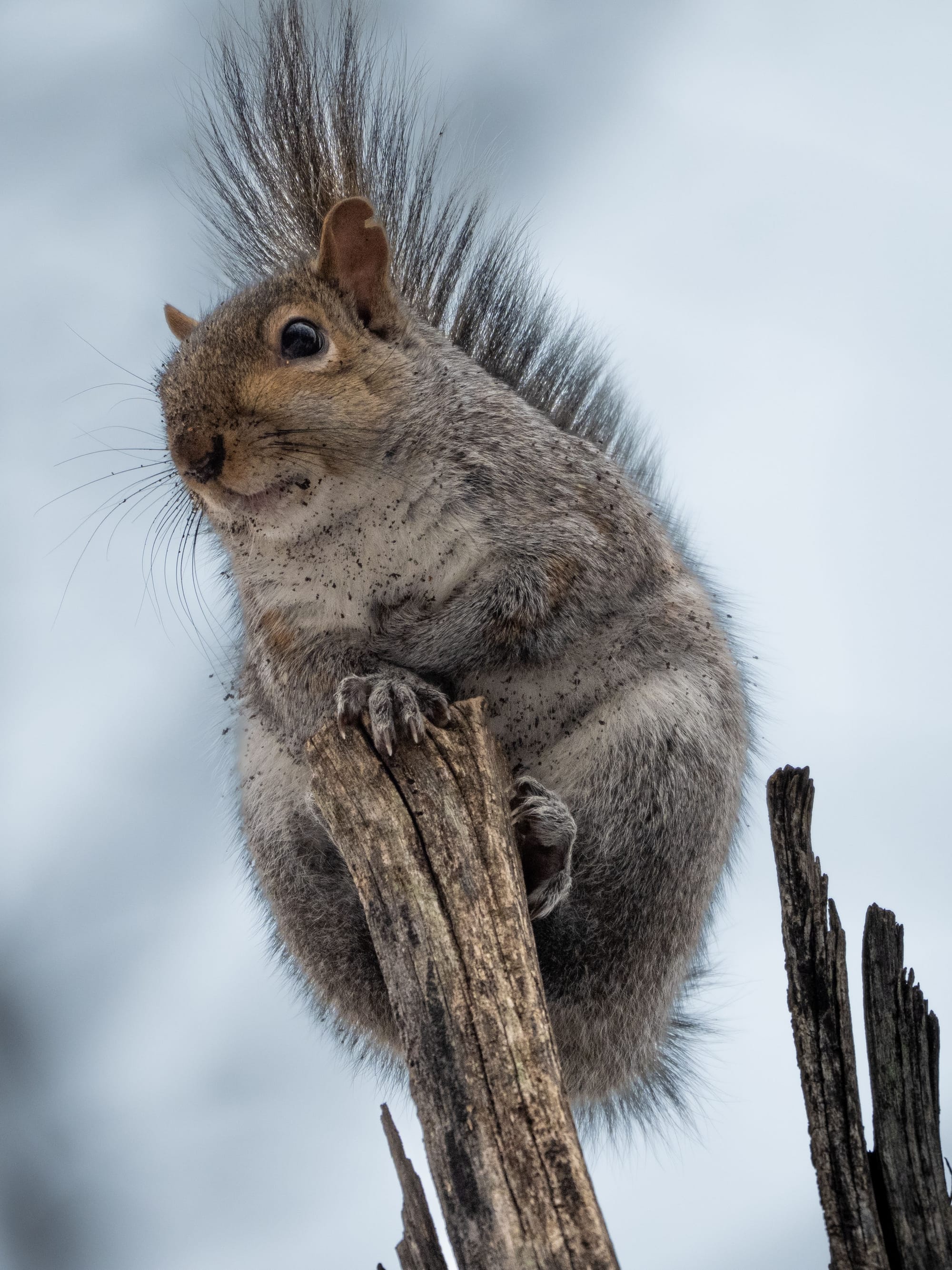
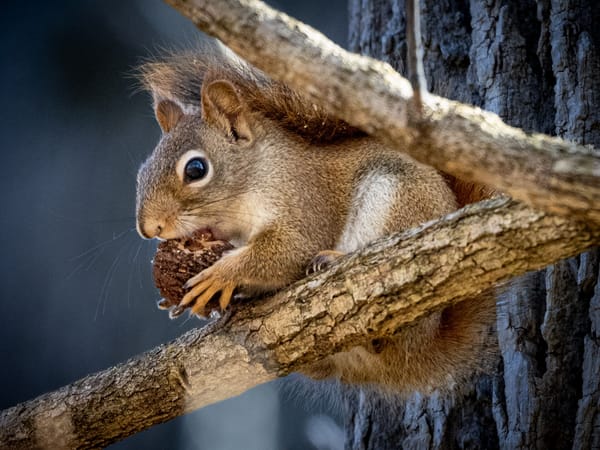
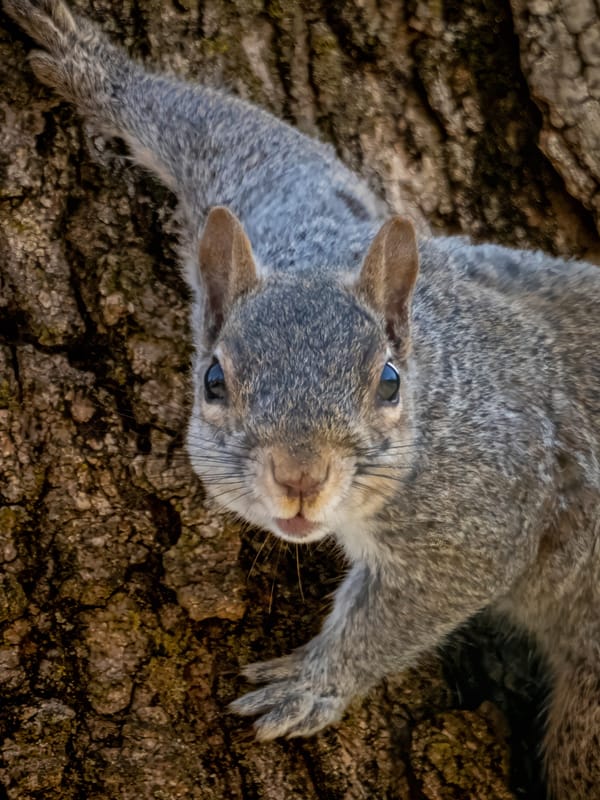
Red Squirrel and Gray Squirrel.